
Talalay vs Dunlop Latex Mattress: Material and Construction Differences
Key Takeaways
- Talalay latex is vacuumed and flash-frozen during processing, producing a uniform open-cell structure; Dunlop latex settles under gravity, creating a denser bottom.
- Dunlop latex is commonly used as a support core, while Talalay latex is often used as a comfort layer in latex and hybrid mattresses.
- CertiPUR-US applies to qualifying flexible polyurethane foam, not automatically to latex or the entire mattress; always verify certification scope.
- Exact density, firmness, and compression set values must come from the supplier’s specification sheet for the specific grade.
- Roll-pack and compression behavior depend on latex grade and process; confirm with your supplier before committing to compressed packaging.
When specifying a latex mattress, should you choose Talalay or Dunlop latex? Both are open-cell, resilient foams made from natural or synthetic rubber, but they differ in manufacturing process, cell structure, and how they behave in a finished mattress. This article explains the material and construction differences so product developers and B2B buyers can compare them on facts rather than marketing language.
What Talalay and Dunlop latex actually mean
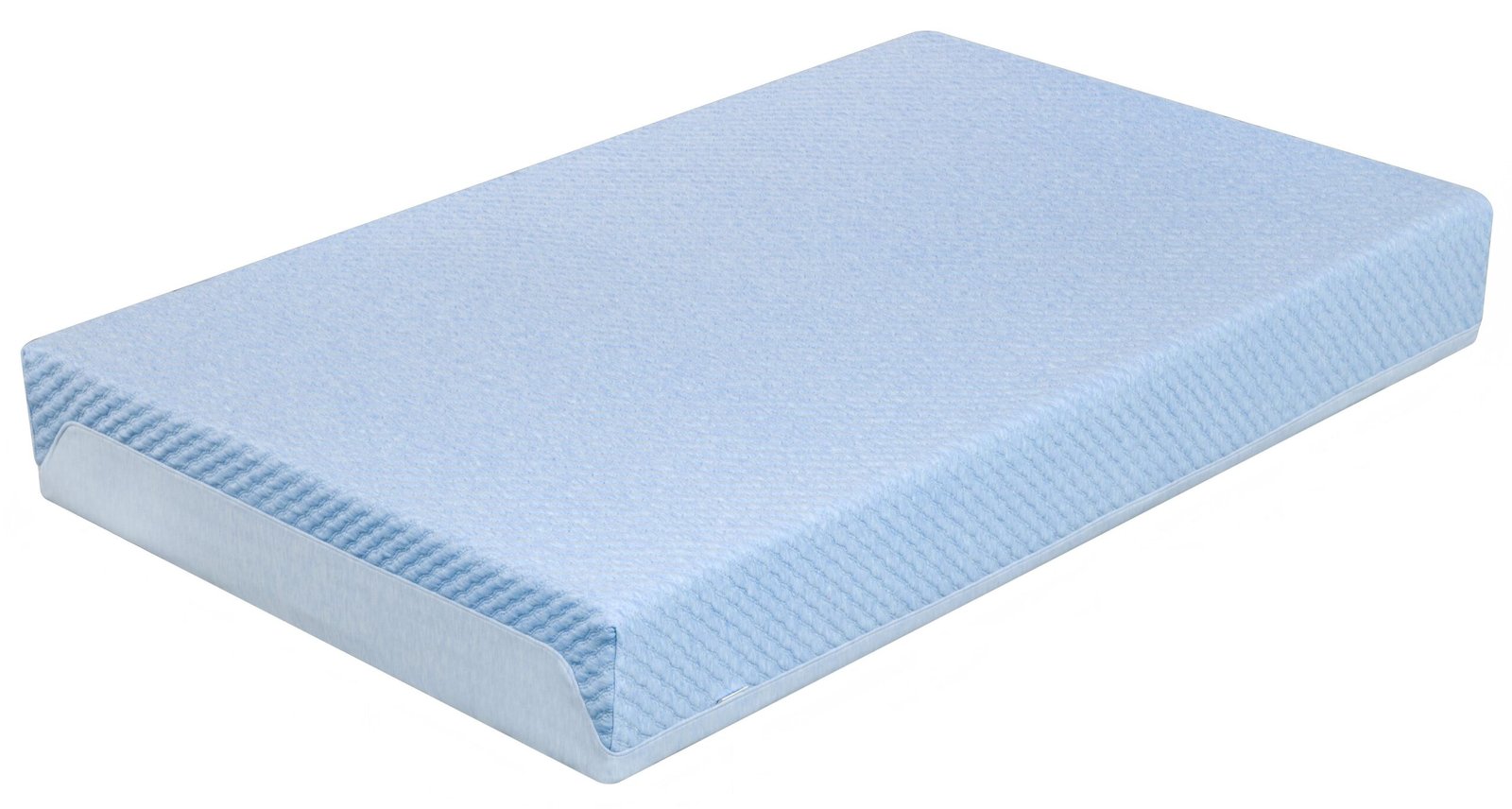
Talalay and Dunlop are two processing methods for turning latex compound into a foam core. In the Dunlop process, latex compound is poured into a mold, gelled, and vulcanized; the particles settle under gravity, producing a denser bottom and a slightly more open top. In the Talalay process, the compound is foamed, poured into a mold, partially gelled, then vacuumed to remove air and flash-frozen before vulcanization; this creates a more uniform, open-cell structure throughout the core. Neither process is inherently “better” — they produce different physical profiles that suit different mattress constructions and price positions.
Where each latex type sits in a mattress and what it does
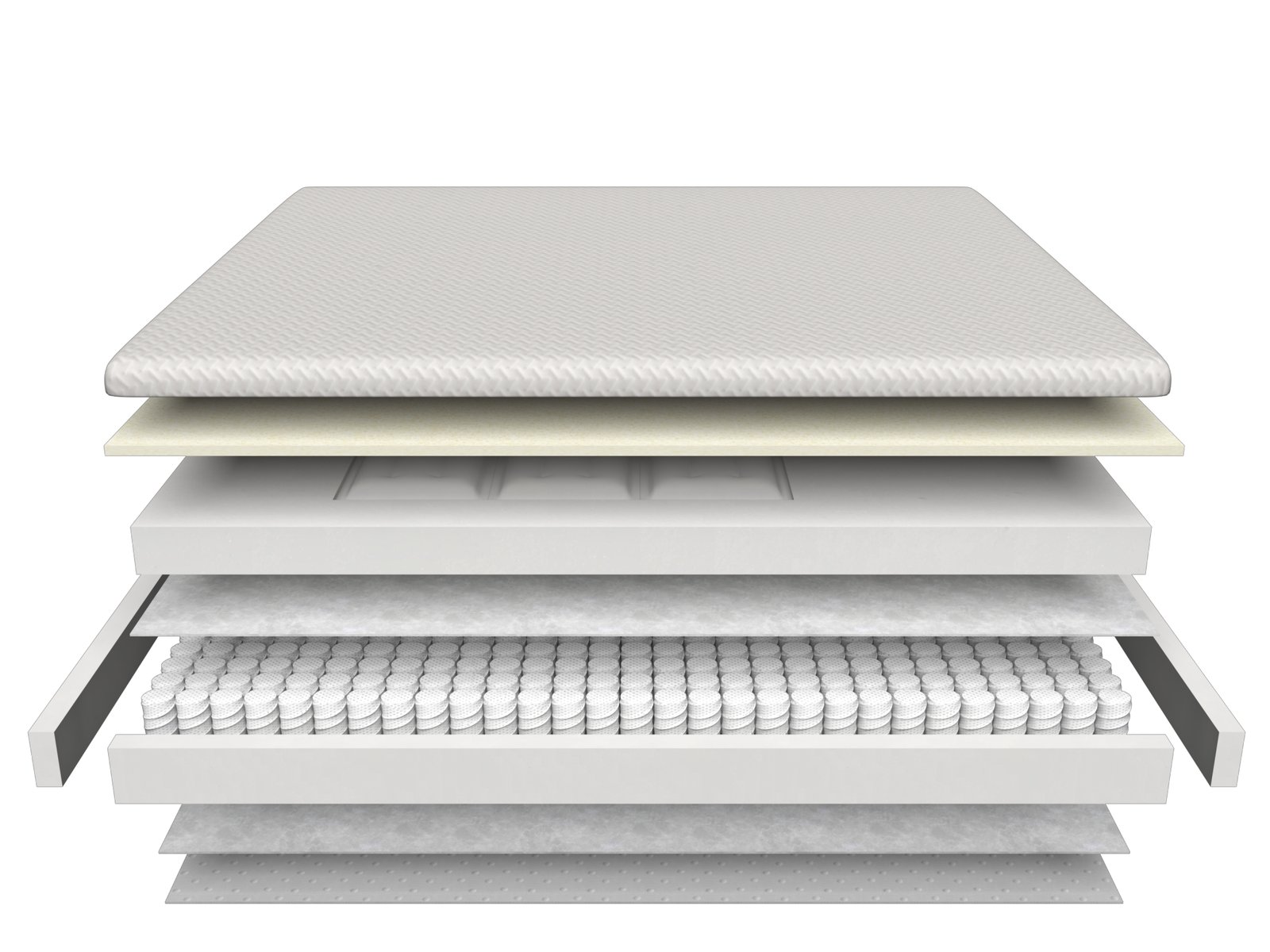
Latex is used as a comfort layer, a transition layer, or a full core. In a latex mattress, Dunlop latex is commonly used as a support core because its denser bottom provides a firmer base; Talalay latex is often used as a top comfort layer because its uniform open-cell structure gives a more consistent feel and airflow. In hybrid designs, latex can sit above a pocket spring unit to add resilience and reduce the “springy” feel. The choice affects not only feel but also how the mattress can be rolled, compressed, and shipped — an important consideration for roll-pack and e-commerce programs.
Properties buyers should compare — without treating marketing claims as specifications
When comparing Talalay and Dunlop latex, request actual test data for the specific grade rather than relying on generic claims. Key properties include:
- Density and firmness range: Both processes can produce a range of densities and firmness levels; exact values must come from the supplier’s specification sheet.
- Cell structure and airflow: Talalay’s open-cell structure is often described as more breathable, but airflow also depends on cover design and overall construction.
- Compression set and resilience: Ask for compression set and resilience test results if these matter for your durability claims.
- Consistency and tolerances: Dunlop’s settling can create a density gradient; Talalay is generally more uniform. Specify acceptable tolerances for thickness and firmness.
- Certification scope: CertiPUR-US applies to qualifying flexible polyurethane foam, not automatically to latex or the entire mattress. For latex, ask about specific latex-related certifications and their exact coverage.
Do not accept phrases like “100% natural” or “hypoallergenic” as specifications; request documentation for the actual latex content, fillers, and any certifications.
Construction combinations and best-fit product programs
Both latex types can be combined with other materials to meet different market positions:
- All-latex mattresses: Dunlop core with Talalay comfort layer is a common construction for premium natural-latex programs.
- Hybrid mattresses: Latex comfort layer over pocket springs can reduce motion transfer while adding resilience; see the Hybrid Mattress category for construction examples.
- Roll-pack and compressed mattresses: Latex can be compressed, but recovery and potential damage depend on grade and process; confirm with your supplier before committing to roll-pack formats.
- Hotel and contract programs: Dunlop’s firmer support profile is often used in contract mattresses where durability and consistent support are priorities.
For product-line planning, map latex type to price tier, target firmness, and packaging method. The Mattress Product Line Planning guide provides a framework for balancing these variables.
Quality, documentation, and compliance checks
Before approving a latex specification, request:
- Material safety data sheets and latex content declaration (natural vs synthetic ratio).
- Density, firmness, tensile strength, elongation, and compression set test reports for the specific grade.
- Certification certificates with clear scope — for example, if a foam is CertiPUR-US certified, confirm which foam components are covered.
- Flammability test reports for the finished mattress if required in your market.
- Packaging and compression test data if the product will be roll-packed.
Certification scope must be verified per project; do not assume a certificate covers the entire mattress or all components. The Mattress Certifications guide explains how to read certification scope correctly.
Next step: link to Materials, related product category, and technical Guide pages
Use the Materials section for terminology and material comparisons, and the Latex Mattress category for construction examples. For specification parameters such as density, firmness, and thickness, see the Mattress Specification Parameters guide. If you are planning a latex or hybrid program, the OEM & Custom page explains how to submit a specification for review. To discuss a specific Talalay or Dunlop latex construction, contact our team with your target firmness, thickness, and packaging requirements; exact project data requires specification and sample confirmation.
| Aspect | Talalay latex | Dunlop latex |
|---|---|---|
| Process | Foamed, vacuumed, flash-frozen, vulcanized | Poured, gelled, vulcanized; particles settle |
| Cell structure | Uniform, open-cell throughout | Denser bottom, more open top |
| Typical use | Comfort layer, top layer | Support core, base layer |
| Feel consistency | More uniform | Gradient due to settling |
| Documentation to request | Density, firmness, compression set, certification scope | Density, firmness, compression set, certification scope |
Frequently Asked Questions
Is Talalay latex better than Dunlop latex for mattresses?
Neither is inherently better; they serve different roles. Talalay’s uniform open-cell structure is often chosen for comfort layers, while Dunlop’s denser bottom is often used for support cores. The right choice depends on your target feel, construction, and price position.
Can Dunlop latex be used as a top comfort layer?
Yes, Dunlop latex can be used in comfort layers, but its density gradient may produce a different feel than Talalay. Some programs use a softer Dunlop grade on top or blend it with other foams to achieve the desired surface feel.
Does CertiPUR-US certify latex foam?
CertiPUR-US is a certification program for flexible polyurethane foam. It does not automatically certify latex foam or an entire mattress. For latex, ask your supplier about specific latex certifications and their exact scope.
Can latex mattresses be roll-packed for e-commerce shipping?
Latex can be compressed and rolled, but recovery and potential damage depend on the latex grade, process, and compression ratio. Confirm compression test data with your supplier before specifying roll-pack packaging.
What documentation should I request for a latex mattress specification?
Request material safety data sheets, latex content declaration, density and firmness test reports, compression set data, and certification certificates with clear scope. For roll-pack programs, also request compression and recovery test data.
Leave a Reply