
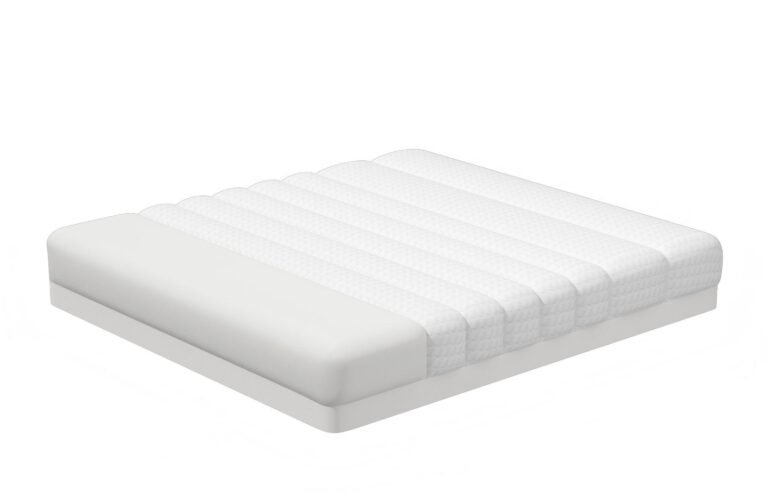
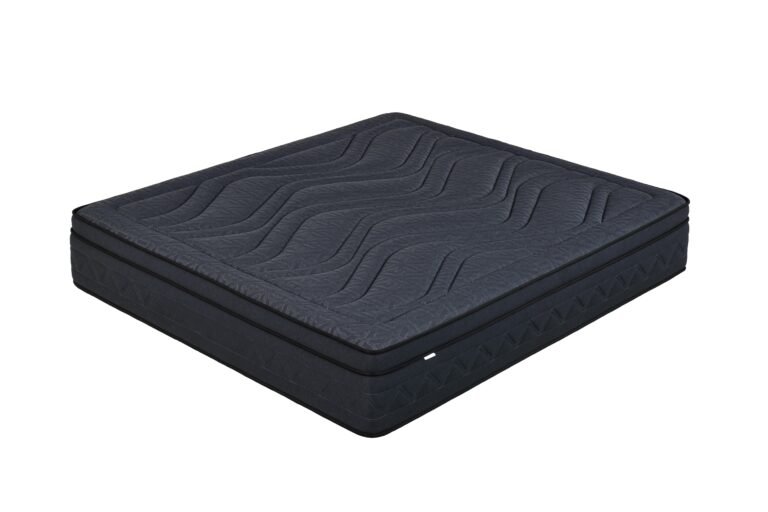
GY-LX2400-FOAM Latex Mattress – 24 cm Medium
- Firmness: Medium
- Height: 24 cm
- Core: High-density foam support base
- Packaging: Flat pack or compressed pack by specification
Latex mattresses can be developed as all-foam, latex-over-foam or latex-hybrid constructions depending on price position, feel and logistics. For OEM buyers, the important variables are latex type, layer thickness, ILD or firmness specification, support core, cover material and the documentation required for the project. The term latex mattress should therefore be tied to an exact build rather than used as a general premium label.
Dunlop and Talalay latex can deliver different feel and processing characteristics, while latex hybrid models combine a latex comfort layer with a pocket spring support core. A foam-supported latex model can reduce weight and cost compared with a full latex core. Buyers should confirm the actual latex layer specification, not just the marketing name, and should request any material certificates needed for their target market before artwork makes certification claims.
Latex platforms are most useful for premium private-label, specialty retail and selected hospitality programs where breathable materials, resilient comfort and differentiated construction are part of the product story. Hybrid and foam-supported versions also provide more flexible price points.
Packaging depends on the support core, latex thickness and total weight. Some foam-supported or hybrid latex models can be compressed to specification, while heavier premium constructions may be better supplied flat. The approved packaging method should be tested with the final material stack.
Use model height, firmness, support core and packaging as the first screening step. Open a product page for the full construction, OEM options and RFQ checklist.
Yes. Size, firmness, cover, quilting, brand presentation and packaging can be reviewed around an existing model. Feasibility and MOQ depend on the final specification and order mix.
Compare support core, comfort layers, finished height, firmness, edge support, packaging method and intended buyer program. The complete construction is more useful than comparing one isolated material or number.
Mixed-size programs can be discussed during quotation. Provide the quantity by size, target dimensions and packaging requirements so production and loading feasibility can be reviewed.
Document availability depends on the selected foam, fabric, latex or other component. List the required certificate or test scope in the RFQ before claims are placed on artwork.
Choose the closest model, then send the required size, firmness, target market, cover direction, branding and packaging requirements. The sample should become the reference for the final written production specification.
Match construction, firmness, height, buyer program and factory features. No sleep-position input is used.
Use the supporting pages to confirm buyer application, OEM requirements, materials, manufacturing controls and technical specifications before requesting a production quote.