
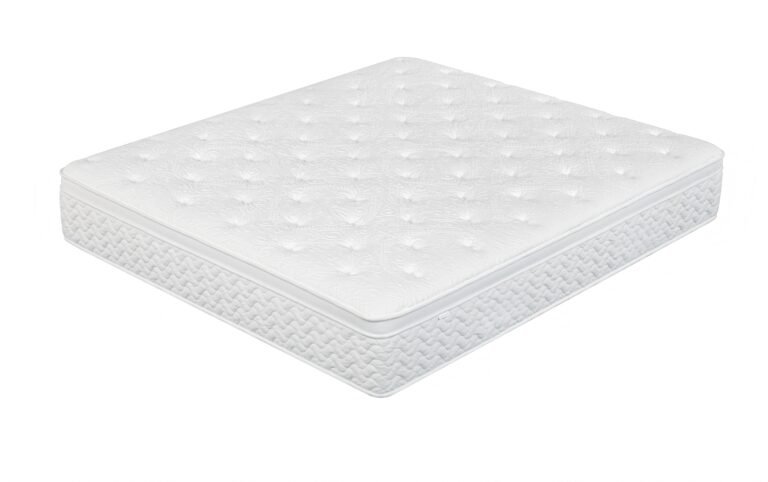
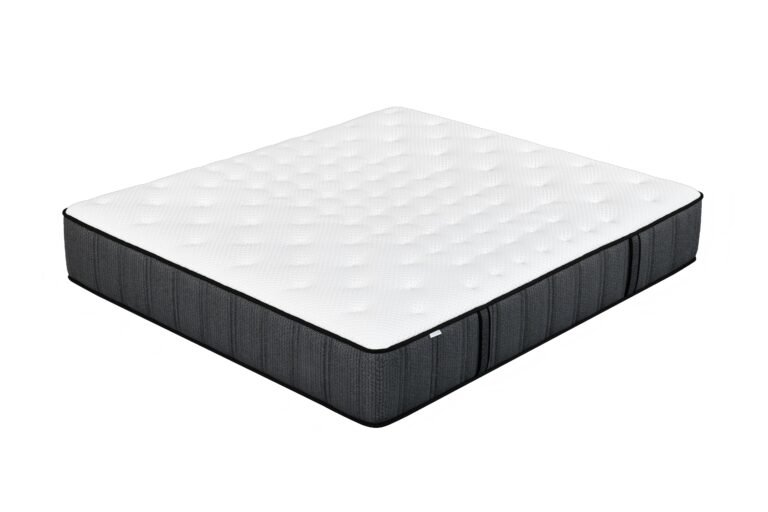
GY-PS2200-BOX Pocket Spring Mattress – 22 cm Medium Firm
- Firmness: Medium Firm
- Height: 22 cm
- Core: Compact pocket spring unit for roll-pack programs
- Packaging: Vacuum compressed, rolled and boxed
A pocket spring mattress uses individually wrapped coils so each spring can respond more independently than a connected spring unit. For wholesale, hotel and OEM buyers, the main sourcing variables are spring count, wire gauge, zoning, finished height, edge support and the foam layers placed above the spring core. These variables influence feel, motion isolation, edge stability, price and packability, so the category should be specified as a complete construction rather than by coil count alone.
Pocket spring units can be built with standard or zoned layouts and combined with foam, latex or quilted comfort systems. Lower wire gauge generally means thicker wire, but the final feel also depends on coil geometry, spring count, pre-compression and surrounding layers. Foam encasement or reinforced perimeter springs can be used where stronger sitting edges are required. Buyers should compare the spring specification together with the complete mattress build instead of evaluating one number in isolation.
This category is suited to hotel programs, retail ranges, distributors and private-label brands that want better motion separation and a more differentiated support story than traditional Bonnell construction. Compact pocket spring units can also be used for mattress-in-a-box programs when the complete build passes compression and recovery testing.
Both flat-pack and compressed-roll formats are possible for selected pocket spring models. Packaging approval should follow recovery testing because spring geometry, foam thickness, border design and total mattress height all affect how a model behaves after compression.
Use model height, firmness, support core and packaging as the first screening step. Open a product page for the full construction, OEM options and RFQ checklist.
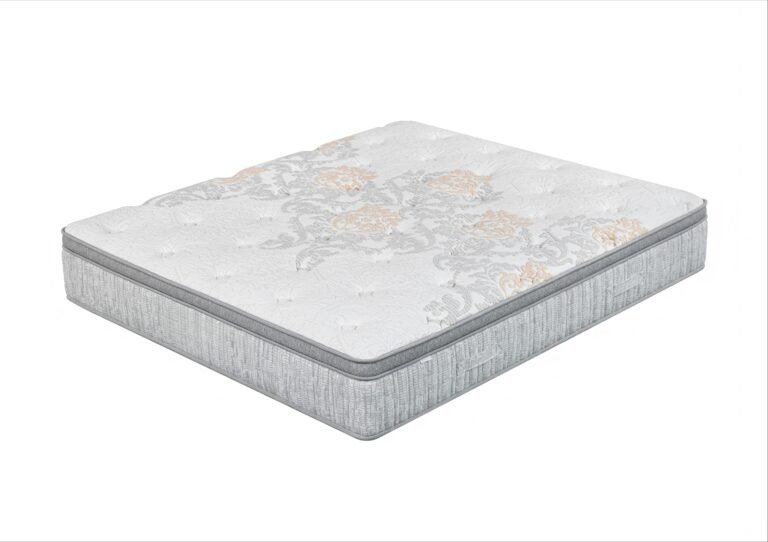
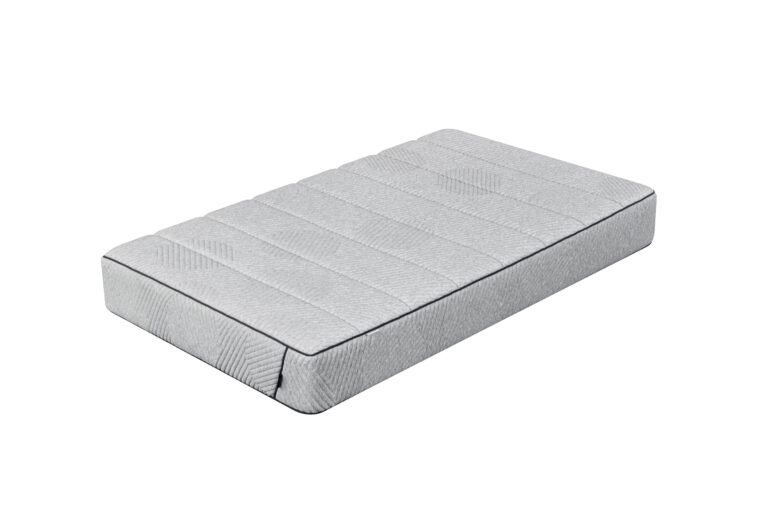
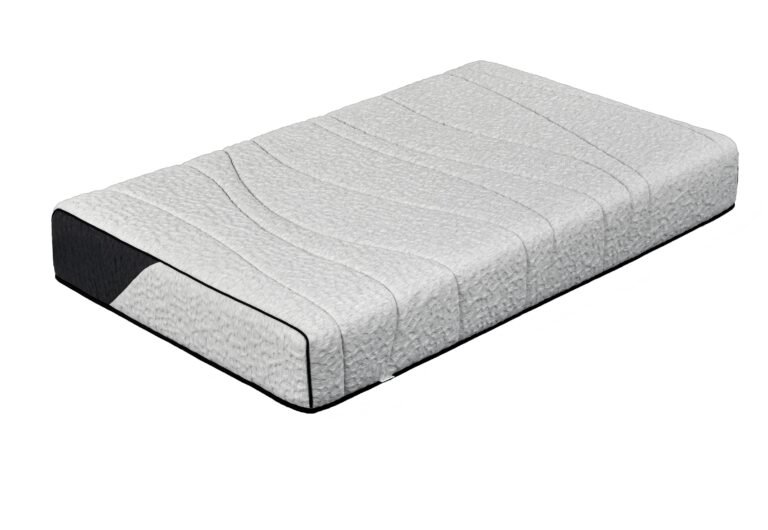
Yes. Size, firmness, cover, quilting, brand presentation and packaging can be reviewed around an existing model. Feasibility and MOQ depend on the final specification and order mix.
Compare support core, comfort layers, finished height, firmness, edge support, packaging method and intended buyer program. The complete construction is more useful than comparing one isolated material or number.
Mixed-size programs can be discussed during quotation. Provide the quantity by size, target dimensions and packaging requirements so production and loading feasibility can be reviewed.
Document availability depends on the selected foam, fabric, latex or other component. List the required certificate or test scope in the RFQ before claims are placed on artwork.
Choose the closest model, then send the required size, firmness, target market, cover direction, branding and packaging requirements. The sample should become the reference for the final written production specification.
Match construction, firmness, height, buyer program and factory features. No sleep-position input is used.
Use the supporting pages to confirm buyer application, OEM requirements, materials, manufacturing controls and technical specifications before requesting a production quote.