
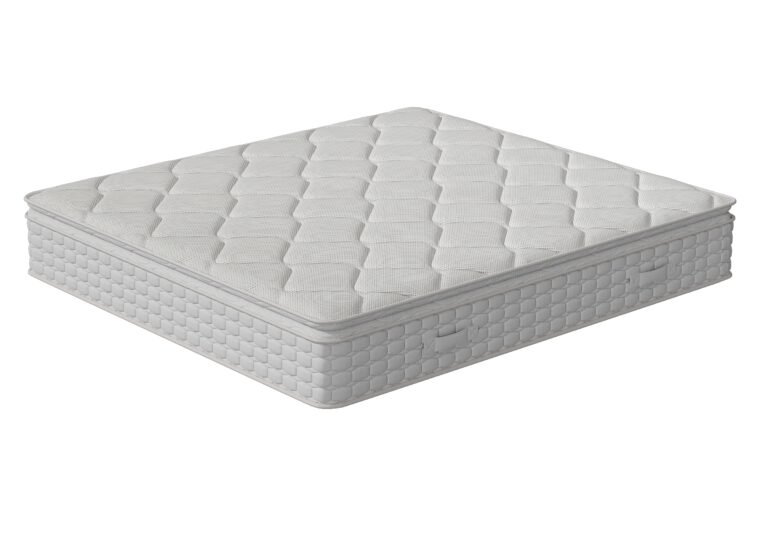
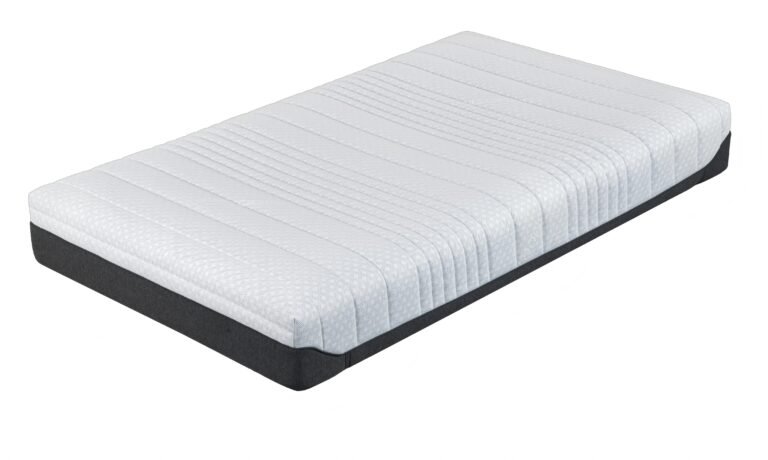
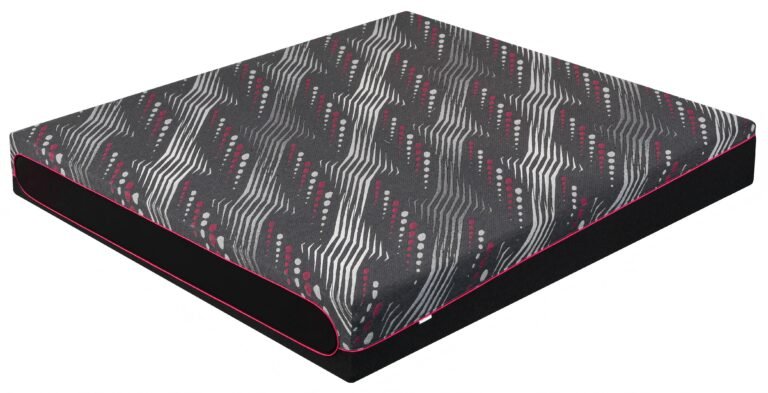
GY-MF1800-ECO Memory Foam Mattress – 18 cm Firm
- Firmness: Firm
- Height: 18 cm
- Core: High-density foam base
- Packaging: Compressed roll pack in carton
Memory foam mattresses are widely used for private-label, e-commerce and wholesale programs because the construction can be tuned through foam density, ILD, layer thickness, ventilation design, cover fabric and finished height. A sourcing brief should distinguish between the support base, transition layers and memory foam comfort layer rather than treating the product as a single foam block. That detail helps the approved sample remain repeatable when the program moves to bulk production.
The support base provides most of the structural stability, while the memory foam layer controls contouring and pressure response. Gel infusion, perforation or airflow channels can be used in selected builds, but cooling performance depends on the complete mattress system, including cover breathability and layer arrangement. Density and firmness should be recorded separately because a higher-density foam is not automatically a firmer foam.
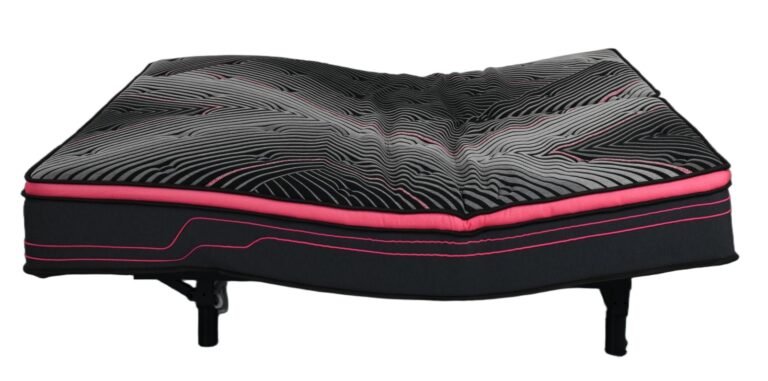
Memory foam models fit e-commerce brands, boxed mattress programs, wholesale buyers and retailers that need compact shipping and straightforward product segmentation. Slimmer firm models can target value or project ranges, while deeper gel or airflow versions can support premium positioning.
Foam constructions are well suited to compression, but the carton program should still be approved through recovery testing. Buyers should specify the target packed size, expected storage period, recovery window and final height tolerance before mass production.
Use model height, firmness, support core and packaging as the first screening step. Open a product page for the full construction, OEM options and RFQ checklist.
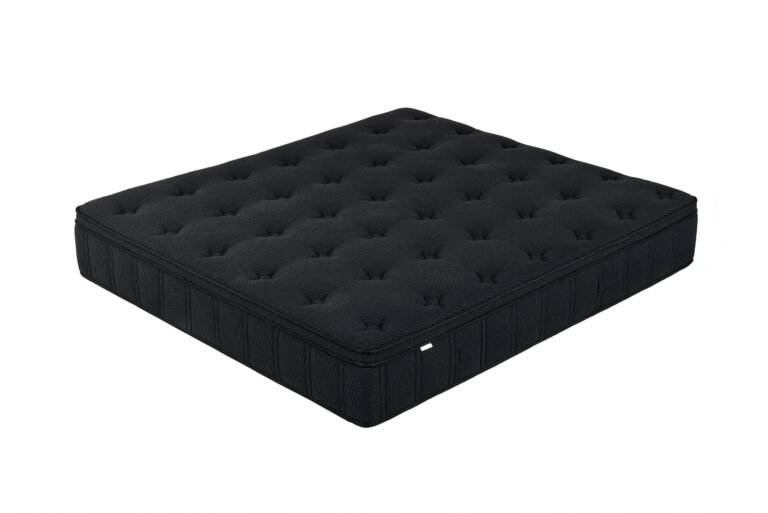
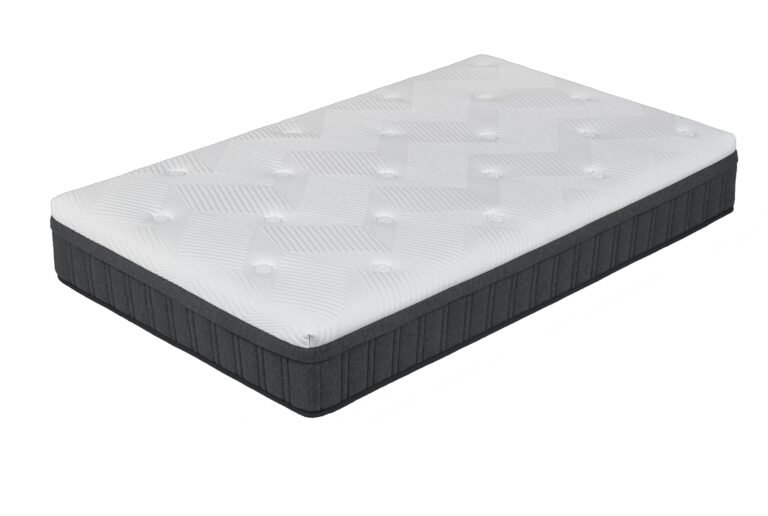
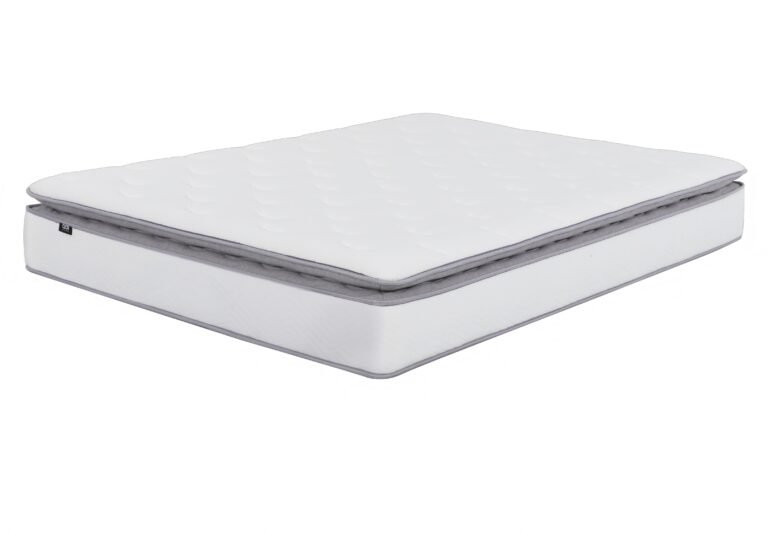
Yes. Size, firmness, cover, quilting, brand presentation and packaging can be reviewed around an existing model. Feasibility and MOQ depend on the final specification and order mix.
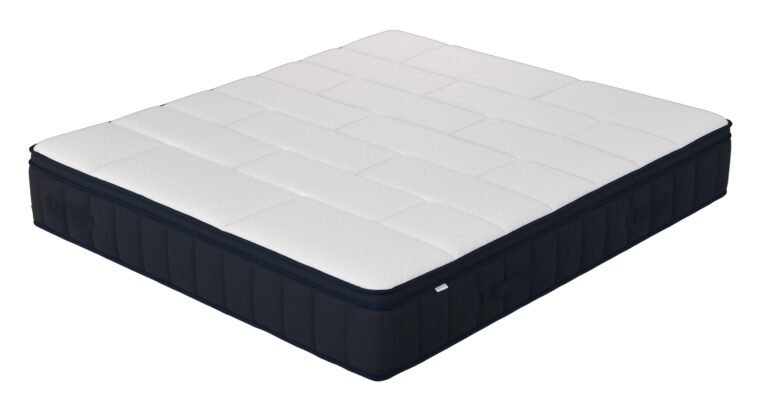
Compare support core, comfort layers, finished height, firmness, edge support, packaging method and intended buyer program. The complete construction is more useful than comparing one isolated material or number.
Mixed-size programs can be discussed during quotation. Provide the quantity by size, target dimensions and packaging requirements so production and loading feasibility can be reviewed.
Document availability depends on the selected foam, fabric, latex or other component. List the required certificate or test scope in the RFQ before claims are placed on artwork.
Choose the closest model, then send the required size, firmness, target market, cover direction, branding and packaging requirements. The sample should become the reference for the final written production specification.
Match construction, firmness, height, buyer program and factory features. No sleep-position input is used.
Use the supporting pages to confirm buyer application, OEM requirements, materials, manufacturing controls and technical specifications before requesting a production quote.