
Pillow Top Mattress Construction: Comfort Layer & OEM Sourcing
Key Takeaways
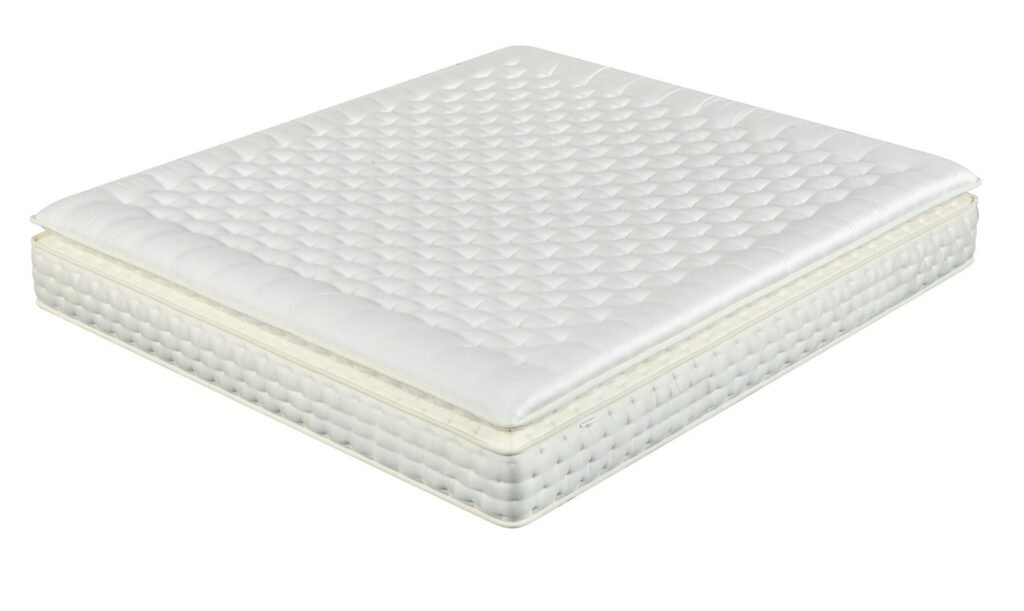
- A pillow top mattress features a separate cushioning layer sewn onto the top surface, distinct from a euro top's seamless attachment.
- Foam density, ILD, and thickness of the pillow top directly affect feel, durability, and cost, and must be specified in any RFQ.
- Packaging a pillow top mattress for roll-packing requires careful evaluation because the extra bulk may limit compression.
- CertiPUR-US applies to qualifying flexible polyurethane foam, not the entire mattress; confirm certification scope for all components.
- Incomplete RFQs missing foam specs, spring details, or packaging requirements slow down supplier comparison and quoting.
You are sourcing or developing a pillow top mattress and need to understand how its construction differs from other soft-top builds, which specifications drive cost and feel, and what to confirm before requesting quotes. A pillow top mattress is a mattress with an extra layer of cushioning—typically foam, fiber, or a combination—sewn onto the top surface as a distinct panel, creating a plush, pillowed feel. Unlike a euro top, where the extra layer is attached seamlessly to the side panels, a pillow top is a separate cushion that sits on top of the main mattress body. This construction affects comfort, durability, packaging, and manufacturing complexity, and it must be specified precisely in any OEM brief.
Which mattress specifications must be confirmed before quoting a pillow top build?
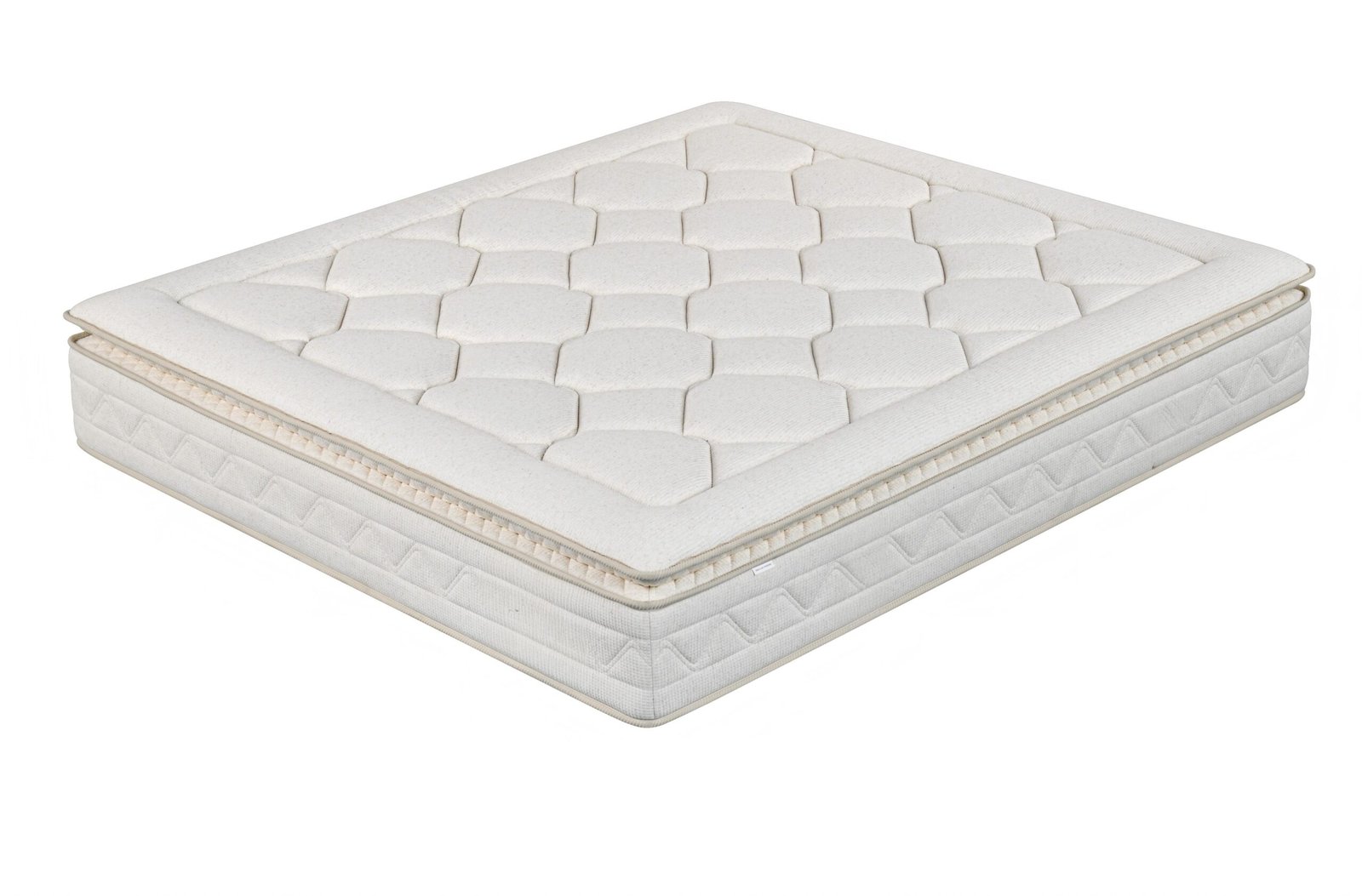
Before a supplier can quote a pillow top mattress accurately, several core specifications must be locked down. The comfort layer composition is the first: whether the pillow top uses polyurethane foam, memory foam, latex, polyester fiber, or a blend, and in what thickness and density. Foam density and ILD (Indentation Load Deflection) directly influence feel and durability, so these values must be stated rather than assumed. The support core also matters—pocket springs, Bonnell springs, or a foam base—along with spring count, wire gauge, and zoning if applicable. Cover fabric type, quilting pattern, and border construction affect both aesthetics and cost. Finally, size, firmness target, and packaging method (flat, rolled, or compressed) must be confirmed. For a deeper dive into how these parameters interact, see the Mattress Specification Parameters guide.
How size, firmness, cover, branding, and packaging choices interact in a pillow top mattress
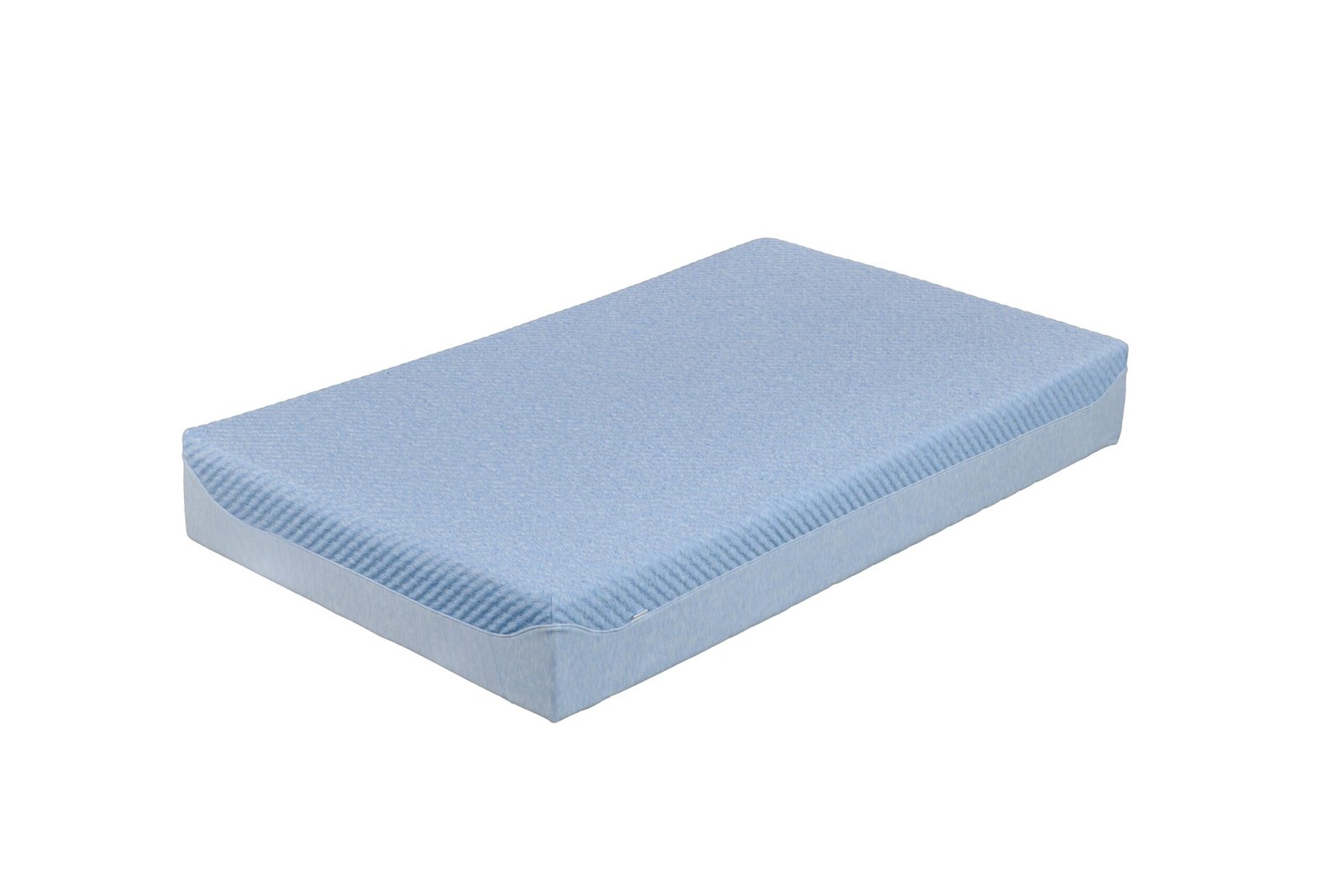
These choices are not independent. A thicker pillow top adds height, which may require adjustments to the support core or cover to maintain overall mattress thickness within your target range. Firmness perception is influenced by the pillow top’s foam density and ILD: a softer, lower-density foam may feel plusher but can compress over time, while a higher-density foam offers more resilience. Cover fabric and quilting can also alter surface feel—a quilted cover over the pillow top adds loft, while a tight cover emphasizes the foam’s characteristics. Branding elements such as labels, zippers, and custom borders must be planned early because they affect sewing steps and lead times. Packaging is another critical interaction: pillow top mattresses are bulkier and less compressible than flat-top foam mattresses, so roll-packing may require specialized equipment and may not suit all constructions. If you plan to offer a mattress in a box, confirm with your supplier whether the pillow top design can be compressed safely without damaging the comfort layer. For guidance on product line planning, refer to Mattress Product Line Planning.
Sample approval and quality documentation checkpoints for pillow top mattresses
Always approve a physical sample before mass production. The sample should represent the exact construction: same foam densities, ILD, spring specifications, cover fabric, and quilting. Evaluate the sample for feel, recovery, and workmanship—check seams, edge support, and whether the pillow top is evenly distributed. Request quality documentation for the materials used. For polyurethane foam, CertiPUR-US certification may apply to qualifying flexible foam, but it does not certify the entire mattress; confirm the scope. Other certifications such as OEKO-TEX for textiles or flammability compliance should be verified with project-specific evidence. Ask for material safety data sheets (SDS) and test reports where available. Document the approved sample with photos and measurements, and keep a signed sample or golden sample for reference. This step prevents disputes later. For a checklist of certification types and their scope, see Mattress Certifications.
Common RFQ gaps that slow down comparison between pillow top mattress suppliers
Buyers often send incomplete RFQs, which leads to vague quotes and delays. Frequent gaps include: missing foam density and ILD values, unspecified spring type and count, unclear cover fabric composition, undefined firmness target, and no packaging requirements. Some RFQs omit target market regulations, which affects material choices and documentation. Others fail to state order quantity, making it hard for suppliers to price competitively. Branding details—such as label placement and custom packaging—are sometimes left out, leading to rework. To speed up comparison, provide a detailed specification sheet with all parameters, reference samples if available, and clear acceptance criteria. Include information on expected use (e.g., retail, hospitality) because it influences durability requirements. For a structured approach to spring selection, refer to Spring System Selection.
Consolidated overview: pillow top mattress sourcing checklist
| Aspect | Details to confirm |
|---|---|
| Comfort layer | Foam type (polyurethane, memory, latex), density, ILD, thickness; fiber blends if used |
| Support core | Spring type (pocket, Bonnell), count, gauge, zoning; or foam base density |
| Cover & quilting | Fabric composition, quilting pattern, border construction, branding options |
| Firmness target | Desired feel (soft, medium, firm) and how it is achieved through foam and spring choices |
| Packaging | Flat, rolled, or compressed; compatibility with pillow top construction |
| Documentation | CertiPUR-US for qualifying foam, OEKO-TEX for textiles, flammability reports, SDS |
Send your size, quantity, market, and customization requirements for review
If you are developing a pillow top mattress for retail, hospitality, or e-commerce, the next step is to compile your specifications and send them for review. Include size, quantity, target market, firmness preference, cover and branding requirements, and packaging method. A supplier can then provide a tailored quote and suggest suitable constructions. For OEM and custom projects, visit the OEM & Custom page to learn about customization options. If you need help refining your specifications, the Mattress Guide offers detailed articles on firmness, thickness, and materials. Ready to move forward? Send your requirements through the Contact/RFQ page for a prompt response.
Frequently Asked Questions
What is the difference between a pillow top and a euro top mattress?
A pillow top has a separate cushioning layer attached to the top surface, creating a distinct pillow-like panel. A euro top has the extra layer integrated seamlessly with the side panels, resulting in a smoother edge. Both add plushness, but construction and appearance differ.
Can a pillow top mattress be rolled and shipped in a box?
It depends on the construction. Pillow top mattresses are generally bulkier and less compressible than flat-top foam mattresses. Some designs can be roll-packed with specialized equipment, but you must confirm with your supplier that the comfort layer and springs will not be damaged during compression.
What foam density should I specify for a pillow top mattress?
There is no single correct density; it depends on your target firmness, durability requirements, and budget. Higher-density foams generally offer better resilience and support. Provide your desired feel and performance criteria to your supplier, who can recommend suitable densities and ILD values for sampling.
Does CertiPUR-US certify the entire pillow top mattress?
No. CertiPUR-US certification applies to qualifying flexible polyurethane foam used in the mattress, not to the finished mattress as a whole. Other components, such as springs, covers, and adhesives, require separate documentation. Always verify the scope of any certification with your supplier.
What information should I include in an RFQ for pillow top mattresses?
Include size, quantity, target market, firmness target, foam type and density, ILD, spring specifications (if applicable), cover fabric and quilting details, branding requirements, and packaging method. Also state any required certifications and provide reference samples if available. Complete specifications speed up quoting and comparison.
Leave a Reply