
Hybrid Mattress vs Memory Foam: Sourcing Trade-Offs
Key Takeaways
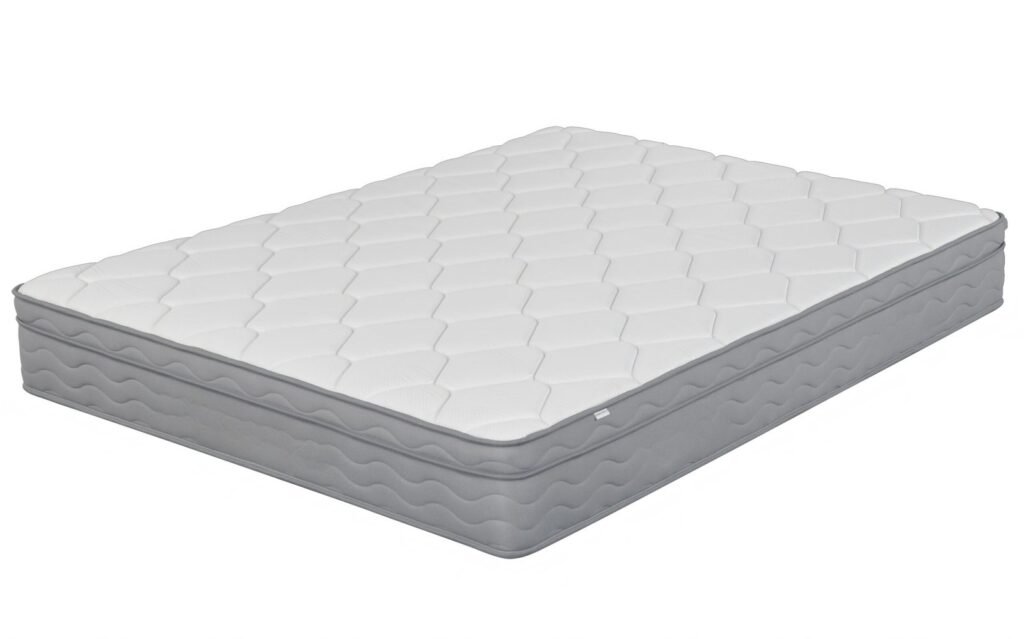
- Hybrid construction uses a spring core with foam layers above, while memory foam construction uses a foam core with slow-recovery comfort layers.
- Hybrid firmness is tuned mainly through the spring unit and transition foam, while memory foam firmness is tuned through foam density, ILD, and layer thickness.
- Roll-packing and boxing favor all-foam constructions, but hybrid compression and recovery behavior must be validated with a sample.
- CertiPUR-US applies to qualifying flexible polyurethane foam, not automatically to the entire finished mattress, so certificate scope must be mapped component by component.
- MOQ, lead time, and pricing are project-specific and must be confirmed through the RFQ process rather than assumed from a catalog.
A product developer in the middle of a line review spreads two spec sheets across the table. One is a hybrid build with a pocket spring core and foam layers above it. The other is an all-foam memory foam construction. Both are quoted for the same retail channel. The question is not which one is better — it is which one fits the target market, the packaging line, and the price architecture the buyer has to defend.
This article compares hybrid mattress vs memory foam construction from a sourcing and product-development angle. It covers what each build is made of, how they feel differently in use, and where the trade-offs land in freight, returns, and brand positioning. For the underlying material and size parameters, the Mattress Guide and Technical Database pages carry the reference detail.
Direct answer: which construction should you source?
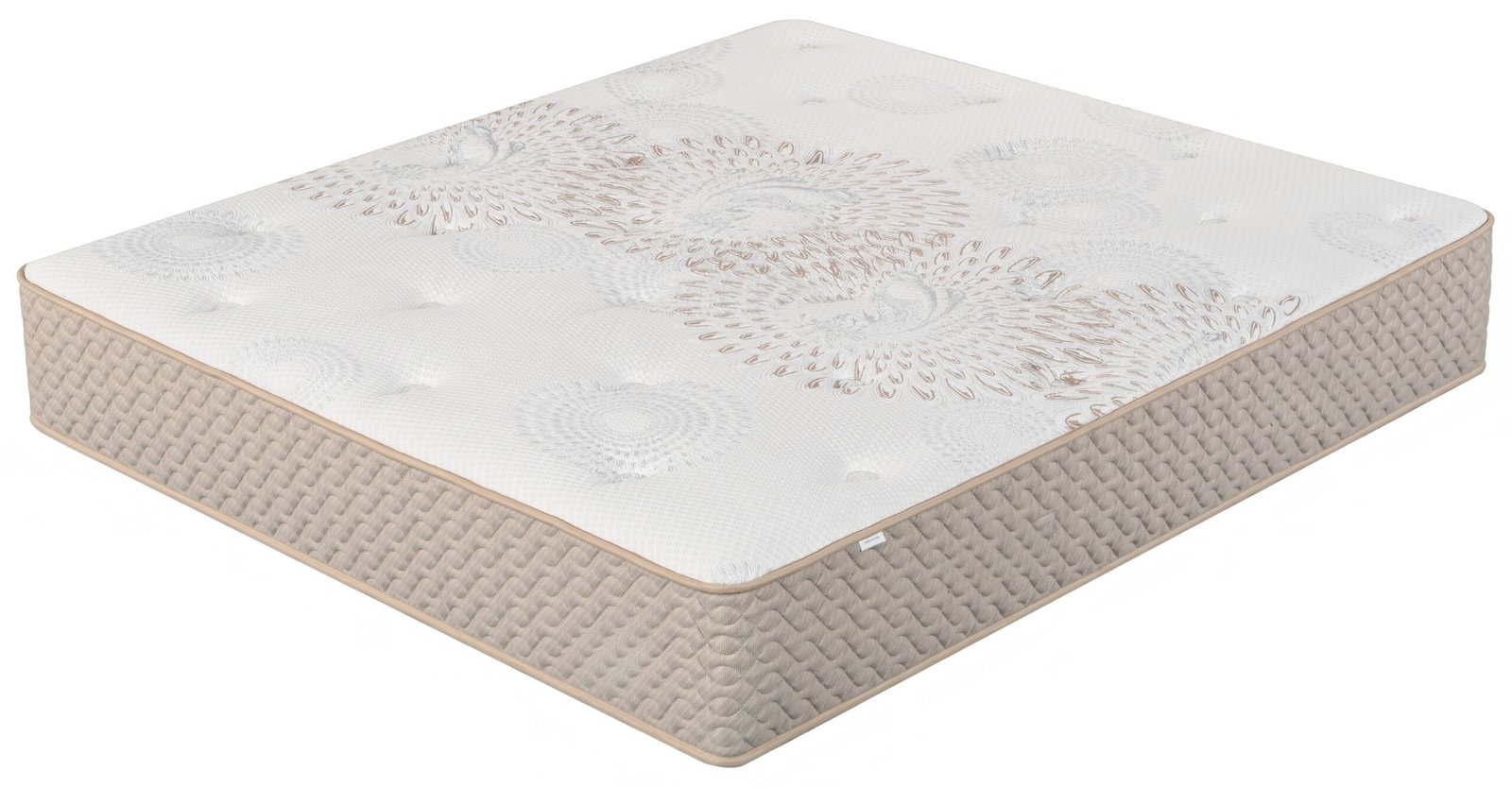
Choose a hybrid construction when you need a responsive, edge-supported feel with a spring core, and when your channel can handle a thicker, often non-compressed or partially compressed finished good. Choose memory foam when you need a uniform, slow-recovery comfort surface, simpler layer stacking, and packaging that supports roll-packing and boxed delivery. The two are not interchangeable at the specification level: they differ in core type, layer count, cover construction, and how the finished mattress behaves after unboxing.
For a side-by-side view of how these builds sit in a product line, the Hybrid Mattress and Memory Foam Mattress category pages show the construction families. The sourcing decision itself depends on your market, your packaging line, and your target firmness band — all of which need to be confirmed before a quote is meaningful.
Which mattress specifications must be confirmed before quoting
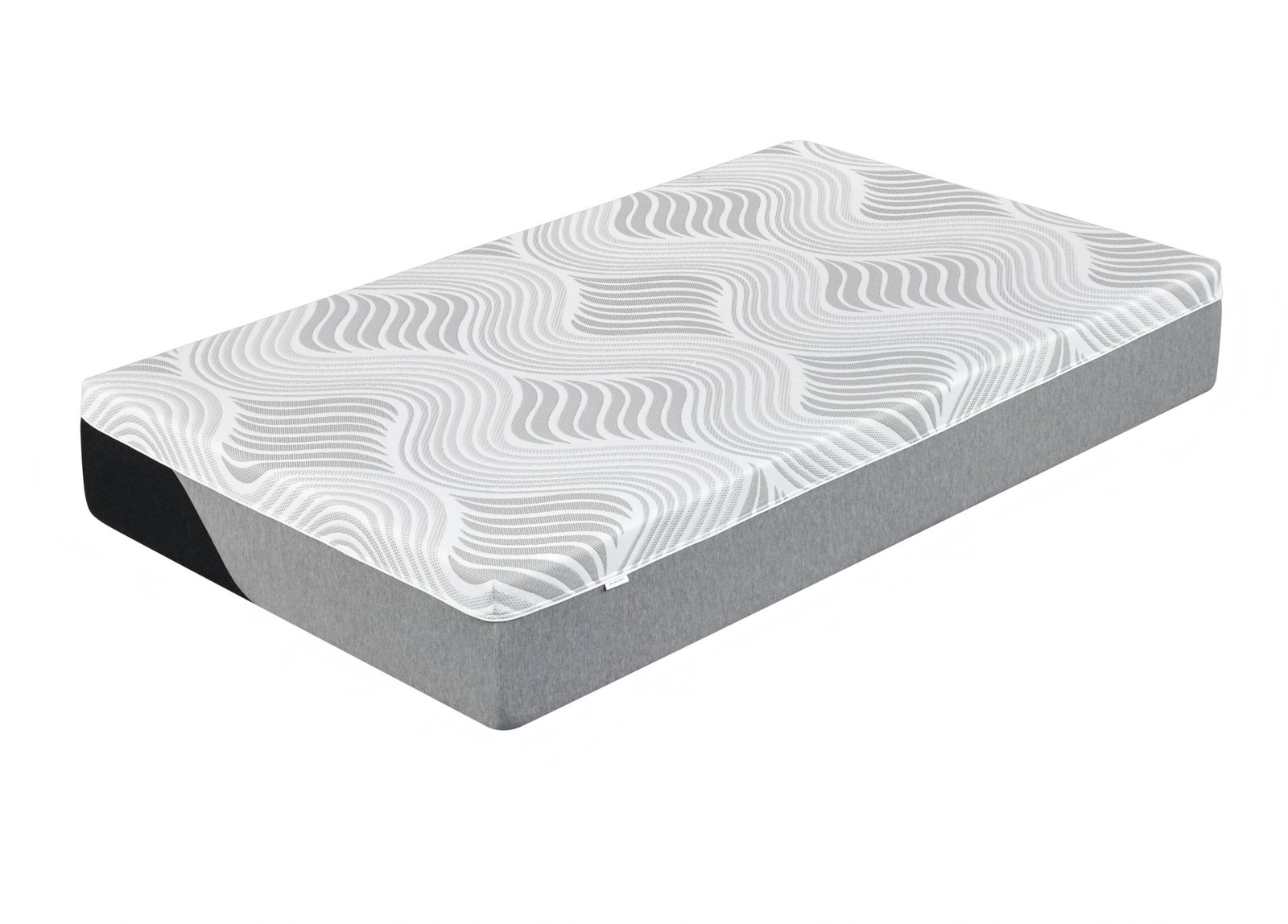
A supplier cannot quote a hybrid or a memory foam build from a product name alone. The following inputs need to be locked before pricing, sampling, or lead-time discussion:
- Finished dimensions and tolerances. Length, width, and thickness, plus the acceptable tolerance band. Exact dimensions must be confirmed per project; the Mattress Size Guide explains how regional size systems differ.
- Core type and gauge. For hybrid, the spring unit family and wire gauge; for memory foam, the foam core density and layer stack. Spring count, gauge, and zoning are covered in the Pocket Spring Count Gauge Zoning guide.
- Foam specifications. Density and ILD for each foam layer, including the memory foam layer and any transition or support foam. Foam Density ILD explains how these two parameters interact.
- Firmness target. A firmness band or reference sample is needed because the same layer stack can read differently depending on cover and quilting. Mattress Firmness covers how firmness is described in specification terms.
- Cover and quilting. Fabric type, weight, quilting pattern, and whether the cover is removable or sewn closed.
- Compliance scope. Which components need documentation, and for which market. CertiPUR-US applies to qualifying flexible polyurethane foam, not automatically to the entire finished mattress, so the foam supplier’s certificate scope must be checked separately from any finished-goods claim.
- Packaging format. Flat, rolled, roll-packed and boxed, or vacuum-compressed. This affects the finished-good dimensions and the receiving process.
If any of these are missing, the quote will be built on assumptions. That is the single most common reason two supplier quotes cannot be compared line by line.
How size, firmness, cover, branding and packaging choices interact
These five variables are not independent. Changing one usually forces a change in another, and the interaction is where most sourcing surprises come from.
Size and thickness. A thicker finished mattress changes the cover yield, the spring unit height, and the packaging compression ratio. If the target market uses a non-standard size, the cover and core both need to be tooled or cut to that size, which affects sampling time. The Mattress Thickness Guide and Mattress Size Guide cover the parameter logic.
Firmness and layer stack. A hybrid can be tuned by changing the spring unit, the transition foam, or the top comfort layer. A memory foam build is tuned mainly through foam density, ILD, and layer thickness. Because the levers are different, a firmness target that is easy to hit in one construction may require a different approach in the other.
Cover and quilting. A quilted cover with fiber or foam quilting adds surface softness and changes how the memory foam layer reads. On a hybrid, a stretch knit cover lets the spring unit respond more directly. Cover choice is therefore part of the feel specification, not just a cosmetic decision.
Branding. Labels, handles, zippers, and custom ticking are usually applied at the cover stage. If branding includes a removable cover or a washable outer layer, the construction detail changes and should be specified early. OEM & Custom covers how private-label programs are structured.
Packaging. Roll-packing and boxing favor all-foam constructions because foam recovers predictably after compression. Hybrids with spring cores can also be compressed, but the recovery behavior and the acceptable compression window are different, and the packaging line needs to be validated with a sample. The Roll Pack Mattress category and Mattress Care Unboxing guide cover the recovery and unboxing side.
Sample approval and quality documentation checkpoints
Sampling is where the specification stops being a document and becomes a physical reference. A structured approval process usually includes:
- Pre-production sample. Built to the agreed specification, in the agreed cover, at the agreed firmness. This becomes the golden sample.
- Firmness verification. Confirmed against the reference sample or the agreed firmness band, not against a verbal description.
- Dimensional check. Length, width, and thickness measured against the tolerance band.
- Recovery check for compressed goods. If the mattress is roll-packed or boxed, the recovery behavior after a defined rest period should be observed and recorded.
- Material documentation. Foam certificates, fabric reports, and any market-specific compliance documents, with the scope of each certificate clearly stated.
- Packaging validation. Carton or roll dimensions, label placement, and barcode or retail-ready requirements.
Documentation scope matters. A foam certificate covers the foam it was issued for. It does not automatically cover the finished mattress, the cover fabric, or the spring unit. Buyers should map each claim to the component and market it applies to. Mattress Certifications explains how to read certification scope correctly.
Common RFQ gaps that slow down comparison between suppliers
Most delayed comparisons trace back to the same handful of missing inputs. A well-formed RFQ for a hybrid or memory foam program typically includes:
- Finished dimensions, thickness, and tolerance
- Construction type and layer stack intent
- Firmness target or reference sample
- Cover fabric direction and quilting preference
- Branding and label requirements
- Packaging format and retail-ready requirements
- Target market and compliance scope
- Quantity range and delivery destination
When quantity, destination, and compliance scope are absent, suppliers cannot structure a comparable offer. MOQ, lead time, and pricing are project-specific and must be confirmed through the RFQ process rather than assumed from a catalog. The Contact/RFQ page is the right entry point for that confirmation.
A second gap is inconsistent terminology. One supplier may describe a hybrid by spring unit family, another by layer count. Aligning on the specification parameters in the Mattress Specification Parameters guide before sending the RFQ removes most of that friction.
Consolidated comparison: hybrid vs memory foam sourcing
| Aspect | Hybrid construction | Memory foam construction |
|---|---|---|
| Core system | Spring unit with foam layers above | Foam core with memory foam comfort layers |
| Primary tuning levers | Spring unit, transition foam, top comfort layer | Foam density, ILD, layer thickness |
| Feel direction | Responsive with edge support from the core | Slow-recovery, contouring surface |
| Packaging fit | Compressible, but recovery window needs validation | Well suited to roll-packing and boxing |
| Cover interaction | Stretch knit lets the core respond | Quilting and cover weight shape the surface feel |
| Documentation focus | Spring unit, foam layers, cover, finished goods | Foam certificates with clear scope |
| RFQ inputs needed | Dimensions, core type, firmness, cover, packaging, market | Dimensions, foam specs, firmness, cover, packaging, market |
Send your specification for review
If you are comparing hybrid and memory foam for an upcoming line, the fastest path is to send the size, quantity range, target market, and customization requirements for review. That input set lets a supplier respond with a construction recommendation, a sampling plan, and a documentation list rather than a generic catalog sheet. Product-line planning considerations are covered in Mattress Product Line Planning, and the OEM & Custom page explains how private-label programs are structured.
For buyers who need to move from comparison to confirmation, the next step is a specification review and a pre-production sample. Share the target dimensions, firmness direction, cover intent, packaging format, and market so the RFQ can be built on real inputs.
Frequently Asked Questions
Is a hybrid mattress better than a memory foam mattress for hot climates?
Neither construction is automatically cooler. Heat retention depends on the foam types used, the cover fabric, and whether airflow paths exist through the core. A hybrid with an open spring core and a breathable cover may ventilate differently than a solid foam build, but the actual behavior must be confirmed from the specified materials rather than assumed from the construction name.
Can a hybrid mattress be roll-packed and shipped in a box?
Hybrids can be compressed and roll-packed, but the acceptable compression window and recovery behavior differ from all-foam builds because of the spring core. The packaging format should be validated with a pre-production sample, and the recovery check should be recorded as part of sample approval.
What foam specifications do I need before requesting a memory foam quote?
You need the density and ILD for each foam layer, including the memory foam comfort layer and any transition or support foam, plus the layer thickness and the finished mattress dimensions. Firmness target, cover construction, and packaging format also need to be stated so the quote reflects the actual build.
How do I compare quotes from two suppliers when one quotes a hybrid and the other quotes memory foam?
Align both quotes to the same specification template first: dimensions, thickness, layer stack, firmness target, cover, packaging, and compliance scope. Without that alignment, the two offers describe different products and cannot be compared on price alone. The Mattress Specification Parameters guide provides a common parameter set.
Does a foam certificate cover the whole finished mattress?
No. A foam certificate applies to the specific foam it was issued for. It does not automatically cover the finished mattress, the cover fabric, or the spring unit. Buyers should map each compliance claim to the component and the market it applies to, and request documentation for each relevant part.
Leave a Reply