
Twin XL Mattress: Size Options, Use Cases and Fit Checks
What Are the Standard Twin XL Mattress Dimensions?
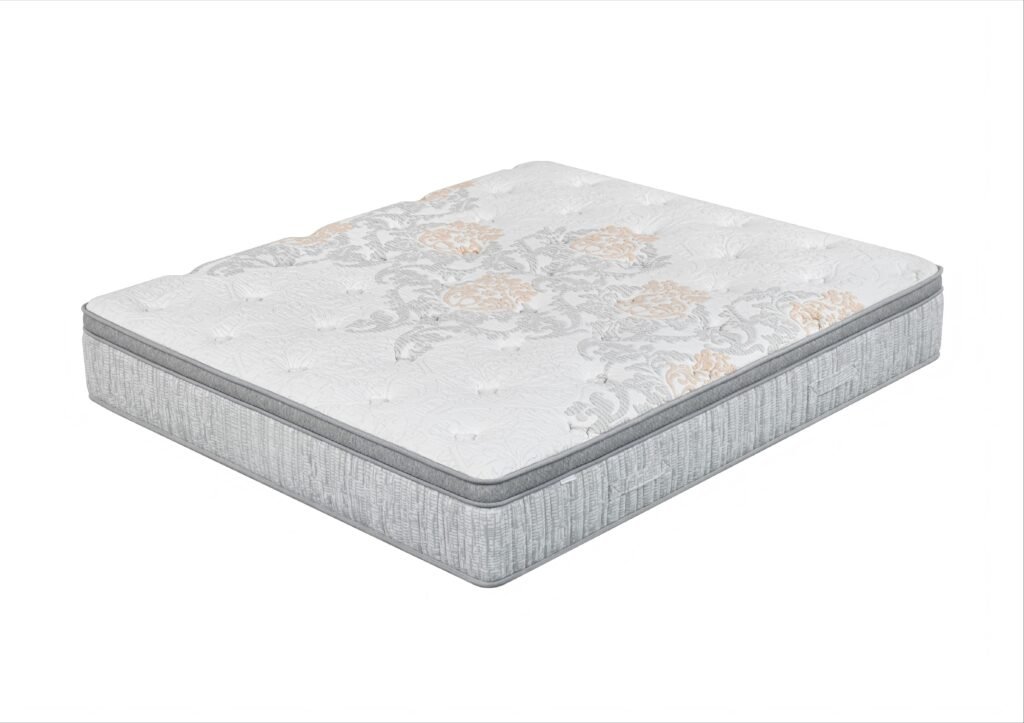
The standard twin XL mattress size is 38 inches wide by 80 inches long (approximately 96.5 cm × 203 cm). It shares the same width as a standard twin but adds five extra inches in length, making it ideal for taller teens, college dormitories, and anyone over 6 feet tall who needs more legroom. Most university housing and many adjustable bed bases use this size, so it is a common choice for both residential and institutional settings.
How Does Twin XL Compare to Twin and Other Sizes?
Understanding the differences between mattress sizes helps you choose the right one. The table below gives a quick comparison:
| Mattress Size | Width (inches) | Length (inches) | Best For |
|---|---|---|---|
| Twin | 38 | 75 | Children, short single sleepers |
| Twin XL | 38 | 80 | Taller teens/adults, dorms |
| Full/Double | 54 | 75 | Single adults wanting more width |
| Queen | 60 | 80 | Couples, guest rooms |
A twin XL is essentially a narrow queen—same length but much narrower. This makes it space-efficient for solo sleepers who need extra length. Unlike a queen, it cannot comfortably accommodate two people. Use this table when deciding which mattress size fits your body height, room footprint, and sleeping habits. Buyers who need different dimensions or construction options can also review our custom mattress collection.
What Is the Recommended Thickness for a Twin XL Mattress?
Twin XL mattresses come in various profiles, typically ranging from 6 to 12 inches thick. The best thickness depends on use:
- 6–8 inches: Common in bunk beds, trundles, or guest rooms where lower height adds safety and clearance. Firmer feel, lighter weight.
- 10 inches: A balanced option for daily use. Provides enough support layers for side sleepers while staying manageable.
- 12 inches and above: Premium comfort layers, good for heavy adults or pressure relief. Requires deeper fitted sheets and may affect guardrail effectiveness on loft beds.
Pay attention to bunk bed safety guidelines: the top of the mattress should be at least 5 inches below the guardrail to prevent falls. If you’re using a platform bed or box spring, the combined height should not obstruct windows, light switches, or bedside tables.
How to Check Bed Frame and Room Compatibility
Even a standard twin XL mattress can feel wrong if the frame or room isn’t prepared. Use this checklist before buying or ordering:
- Frame inside dimensions: Measure width and length; allow about 1 inch of clearance on each side for easy placement.
- Headboard/footboard clearance: Some frames have lips that reduce usable length—ensure 80 inches of flat surface.
- Slat spacing: For foam mattresses, slats should be no more than 3 inches apart to prevent sagging.
- Height clearance: In low-ceiling lofts or bunk beds, total mattress plus frame height may limit sitting upright.
- Room maneuverability: Check doorways, staircases, and tight corners for delivery of thick or boxed mattresses.
If you have an existing bed frame, take the mattress measurement with you when shopping. A twin frame does not fit a twin XL even though widths match; the extra 5 inches of length force the mattress to overhang or curl.
Production Tolerances: Why Exact Size May Vary
Manufacturing a mattress is not like cutting a piece of steel. Standard production tolerances for twin XL mattresses are generally ±1 inch in both width and length. Several factors contribute:
- Material expansion: Foam and fiber layers can relax and swell after unpacking.
- Cut-and-sew processes: Tension in cover fabrics may pull dimensions slightly.
- Compression for shipping: Boxed mattresses need time to fully recover their shape.
Therefore, a mattress labeled 38″ × 80″ could measure anywhere from 37″ to 39″ wide and 79″ to 81″ long. This tolerance is normal. When ordering custom sizes, specify your acceptable range. Always leave a little extra room in the bed frame—a tight fit may damage the mattress cover or make changing sheets difficult.
When to Consider a Custom Twin XL Mattress
A custom-built twin XL mattress solves problems that off-the-shelf models cannot. Situations where it makes sense include:
- Non-standard bed frames: Antique beds, RVs, boats, or international furniture with dimensions slightly off 38″ × 80″.
- Specific thickness requirements: If you need a 9-inch profile for a built-in nook or medical equipment clearance.
- Unique material choices: Latex over memory foam, zoned support, or organic certifications that aren’t available in mass-market models.
- Extra-long lengths: Sleepers over 6′6″ may need 84 or even 90 inches—beyond a standard twin XL.
When discussing a custom order, be ready to provide exact dimensions, preferred firmness, load capacity, and edge support needs. Reputable craftsmen will confirm details before building. For sleepers who want a combination of responsive support and pressure relief, a hybrid mattress structure can provide a practical balance of comfort, stability, and durability. Custom does not automatically mean expensive, but it requires clarity and realistic lead times.
Common Mistakes When Buying or Specifying a Twin XL Mattress
Avoid these errors to save time and money:
- Assuming a twin XL fits a standard twin bed frame—it does not.
- Ignoring bunk bed guardrail height when picking a thick mattress.
- Measuring the outside, not the inside, of a bed frame.
- Ordering a mattress without checking door clearance or tight hallways.
- Overlooking sheet size: twin XL sheets are a separate purchase; twin sheets will not fit.
- Choosing a mattress thickness incompatible with an adjustable base’s bend radius.
Final Takeaway
A twin XL mattress is a simple but specific tool—extra length for taller individuals without taking up more floor space. Know its dimensions (38″ × 80″), compare its footprint to other sizes, pick a thickness that suits your frame and safety needs, and always measure the inside of your bed frame before ordering. Production tolerances are normal, so plan for slight variation. If your bed frame or personal requirements fall outside standard dimensions, a custom twin XL may be the better path. Use this guide as a practical reference, not a sales pitch, to make an informed decision.