
Double Sided Mattress: Compatibility, Setup and Comfort Checks
What Is a Double Sided Mattress?
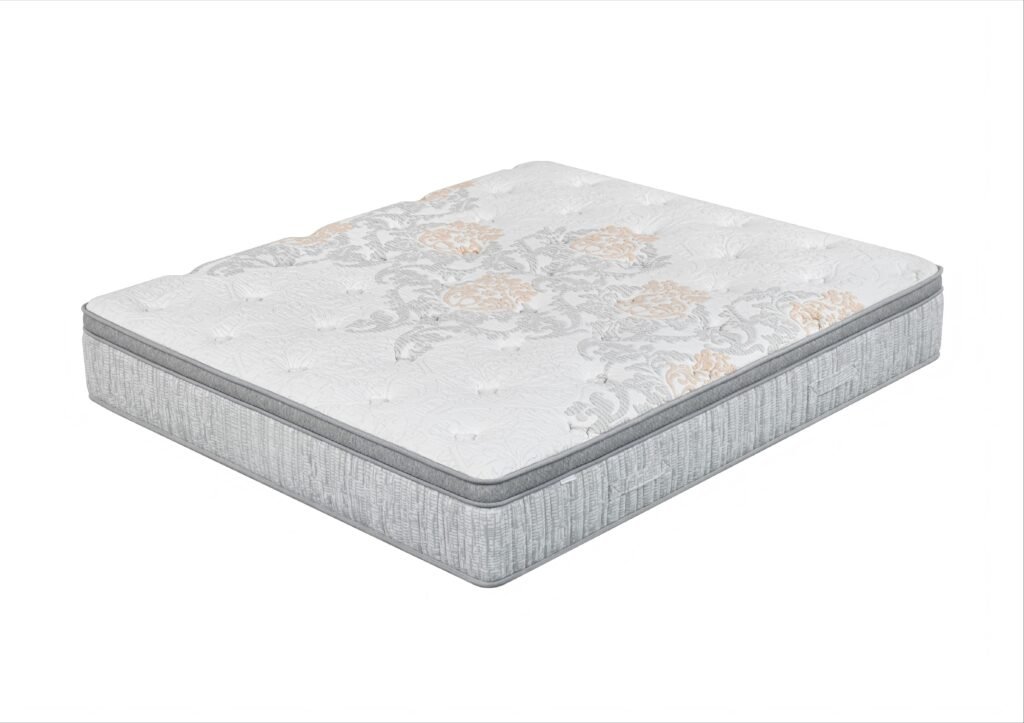
A double sided mattress is built to be slept on both sides. Unlike the one-sided mattresses that dominate today’s market, a true double sided mattress has finished comfort layers, quilting, and ticking on each face. The core purpose is two-fold: you can flip the mattress periodically to even out body impressions and extend its usable life, and some models offer a different firmness on each side—softer on one, firmer on the other.
Historically, almost all innerspring mattresses were double sided. Today, the design is more of a deliberate choice. If you value longevity and the ability to change the feel without buying a new mattress, a double sided mattress is worth considering. Just be aware that flipping a heavy two-sided mattress is a physical task that not every sleeper can manage easily.
Standard Double Sided Mattress Sizes and Dimensions
Most double sided mattresses follow the same industry-standard length-and-width dimensions as conventional mattresses. The table below gives the common surface measurements for North America. Note that “Double” and “Full” refer to the same size.
| Size | Width (inches) | Length (inches) | Common Use |
|---|---|---|---|
| Twin | 38 | 75 | Child’s bed, daybed |
| Twin XL | 38 | 80 | College dorm, tall teen |
| Full / Double | 54 | 75 | Guest room, single adult |
| Queen | 60 | 80 | Master bedroom |
| King | 76 | 80 | Master bedroom, couples |
| California King | 72 | 84 | Longer bed for tall sleepers |
When you move beyond these standards into custom territory, the double sided mattress dimensions can be tailored to almost any shape: oval RV cutouts, short-length antique bed frames, or oversized projection beds. Buyers who need made-to-order dimensions can explore our custom mattress collection for different size, firmness, and construction options. The manufacturing principle stays the same—both sides are finished—but the footprint is built to your exact specification.
How Double Sided Mattress Thickness Affects Fit
Thickness is the dimension that catches people off guard. A double sided mattress can range from 8 inches for a basic innerspring to 14 inches or more for a plush two-sided pillow top. That profile determines three things:
- Overall bed height and ease of getting in and out
- Whether existing sheets will fit—mattresses over 12 inches usually require deep-pocket sheets
- How the mattress sits within a four-poster, sleigh bed, or platform with side rails
Because a double sided mattress has padded layers on both surfaces, it often ends up slightly thicker than a comparable one-sided model. That extra inch or two can matter if your bed frame has low headboard clearance or if you pair the mattress with a box spring on a tall foundation. The table below gives a rough guide for what to expect.
| Thickness Range | Typical Construction | Sheet Compatibility |
|---|---|---|
| 8–10 inches | Firm innerspring, minimal foam | Standard sheets usually fine |
| 10–13 inches | Euro top or moderate comfort layers on both sides | May need deep pockets; check pocket depth |
| 13–16+ inches | Pillow top, heavy hybrid, or thick latex on both faces | Deep-pocket sheets essential; verify bed frame depth |
For buyers comparing reversible designs with layered coil-and-foam construction, a hybrid mattress structure can provide a practical reference for balancing support, comfort layers, edge stability, and overall mattress thickness.
Room and Bed Frame Compatibility Check
Before finalizing any double sided mattress order, run through this practical checklist. A tape measure is your friend.
- Room access. Measure hallway widths, door widths, and any tight corners. A king double sided mattress can weigh over 150 pounds; you need a clear path and enough room to tilt it through doorways.
- Bed frame interior. Measure the inside length and width of the frame. A standard queen frame may have an interior opening of about 60.5 × 80.5 inches—a 60 × 80 mattress fits, but a custom mattress that runs slightly over specification might bind.
- Headboard and footboard clearance. If the frame has a footboard, the mattress thickness must not push the top surface so high that it hides the headboard design—or, worse, creates a gap that pillows fall through.
- Flipping space. A double sided mattress needs overhead room to flip. In a room with a low ceiling or a ceiling fan, you must have at least the mattress’s diagonal length of clear space. Also consider if you can physically rotate a heavy mattress in the available floor area.
- Platform and slat spacing. If you use a platform bed without a box spring, check the slat gaps. Gaps wider than 3 inches can cause uneven support, especially for innerspring double sided mattresses. Some manufacturers require a solid foundation or closely spaced slats.
- Weight capacity. Confirm that the bed frame is rated for the combined weight of the mattress, foundation, and sleepers. Heavy double sided mattresses can strain weak center supports on larger sizes.
Understanding Production Tolerances in Custom Mattresses
No hand-built or machine-assembled mattress is exact to the eighth of an inch. In the mattress industry, a typical production tolerance is ±1 inch in length and width, and sometimes up to ±½ inch in thickness. This is not a defect; it stems from the way materials like foam, cotton batting, and springs settle after compression and relaxation.
For a double sided mattress, two finished surfaces mean the cushioning materials are applied to both faces. Small variations can add up. If you are ordering a custom mattress to fit a precisely built boat berth or an antique iron bed with zero wiggle room, communicate the maximum allowed dimensions to the maker. Ask whether they can build to “finished dimension” rather than “cut dimension” to get as close as possible to your required size.
Also, allow the mattress to breathe and expand fully after unpacking. Compressed foam layers can take 24–72 hours to reach their intended thickness, and until then the mattress may measure shorter and thinner than the final specification.
When to Order a Custom Double Sided Mattress
A custom build makes sense when a standard size simply will not work. Common situations include:
- An heirloom bed frame with non-standard inside dimensions.
- A camper, RV, or marine berth that has an irregular shape—cut corners, radius edges, or reduced length.
- The need for a specific firmness or material combination that is not available in off-the-shelf double sided models.
- Wanting both sides to have different feels—for example, a medium side and a firm side—without buying two mattresses.
- Creating a seamless look in an architectural bed niche where a standard mattress would leave a gap.
Custom double sided mattresses are typically made to order with a longer lead time, so plan ahead. Because they are built to your specification, returns rarely apply. Double-check every measurement and be explicit about the intended use of both sides.
Key Decisions Before Ordering: Flush, Euro Top, or Pillow Top?
Not all double sided mattresses look the same on both faces. The surface style affects the overall thickness, the feel, and how easily you can flip the mattress. The main options are:
- Flush / Tight Top. Both sides are flat and smooth, with quilting directly over the support core. This gives the most compact profile and the easiest flipping experience.
- Euro Top (Double Sided). An extra layer of foam or fiber is sewn flush to the mattress panel on each side, creating a clean, padded look without a separate pillow. It adds about 1–2 inches per side.
- Pillow Top (Reversible). A separate pillow layer is attached to each surface. For a true double sided mattress, the pillow top is present on both faces, making the mattress thick and heavy. Some designs bond the pillow top so it can be flipped without lumpiness.
Decide upfront whether you want both sides to have the same firmness or whether you prefer a dual-firmness build. Dual-firmness double sided mattresses allow you to flip from a softer side to a firmer side as your needs change.
Common Mistakes to Avoid with Double Sided Mattresses
Even careful buyers overlook a few points that can lead to a poor fit or a frustrating experience.
- Skipping the room and frame measurement. A mattress that fits the bed frame may not fit through the bedroom door.
- Ignoring sheet pocket depth. A 14-inch thick double sided mattress almost always demands deep-pocket sheets; check the pocket depth before assuming your existing linens will work.
- Underestimating weight. A two-sided queen can weigh 120–150 pounds. Make sure the bed frame center support is adequate and that you have help for flipping.
- Forgetting the flipping clearance. A ceiling fan, low light fixture, or a canopy bed can make flipping impossible without moving the mattress. Test with a cardboard template if necessary.
- Assuming all double sided mattresses are the same firmness on both sides. If you want a specific feel on each face, confirm with the builder before ordering.
- Not asking about production tolerances on a custom order. Even ½ inch can make the difference between a snug fit and a mattress that won’t drop into the frame.
- Overlooking ventilation. A double sided mattress placed directly on a solid platform may trap moisture. If you flip the mattress, both sides need to breathe. Use a slatted foundation or a breathable protector that doesn’t seal the surface.
Taking a few extra minutes with a tape measure and a clear list of requirements will eliminate most double sided mattress surprises before they become expensive problems.