
Double Mattress: Measuring, Custom Fit and Ordering Checks
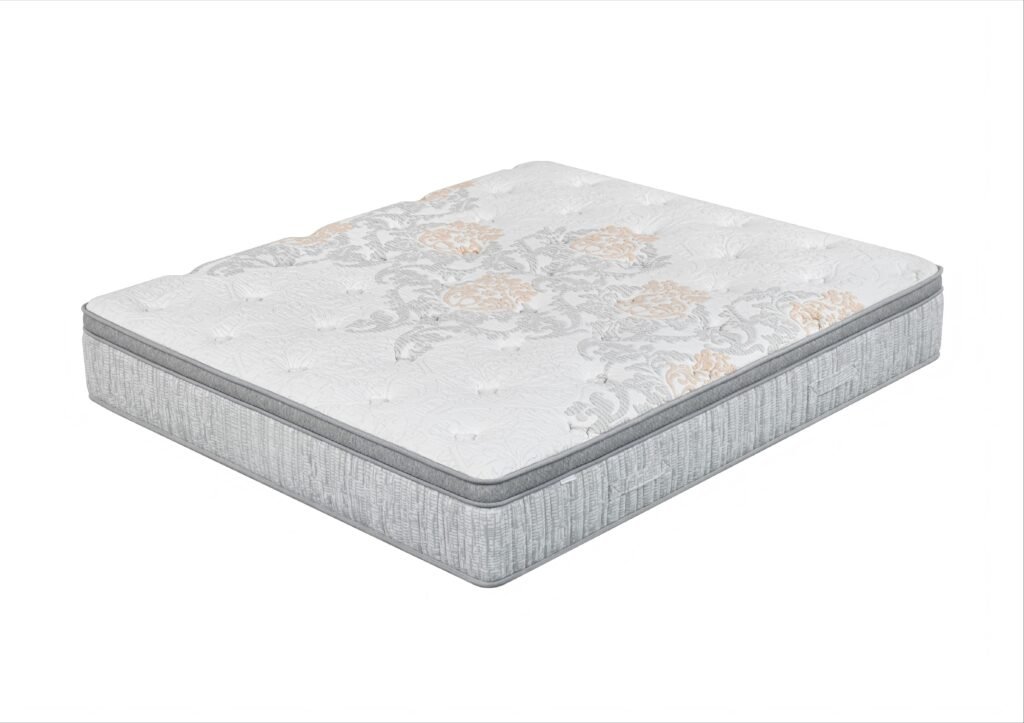
What Is a Double Mattress?
A double mattress, also called a full-size mattress, is a standard mattress size that offers more width than a twin but is narrower than a queen. It is a common choice for single sleepers who want extra space, guest bedrooms, or smaller master bedrooms.
Double Mattress Dimensions: Standard vs. Variations
In the United States, the expected double mattress size is 54 inches wide by 75 inches long (approximately 137 cm × 191 cm). This is the dimension most bed frames, fitted sheets, and mattress protectors are designed around. However, actual measurements can vary slightly by manufacturer due to cutting, quilting, and materials.
While the standard exists, it’s not a universal rule. Some double mattresses may measure 53.5 inches or 54.5 inches wide, which is within normal production tolerance. When ordering a mattress, ask about tolerance ranges if a precise fit is critical for a built-in bed frame or tight alcove. For buyers who need size flexibility, a custom mattress collection can help compare standard and made-to-size options before ordering.
How Double Mattress Size Compares to Other Beds
Understanding where the double fits among common mattress sizes helps with room planning:
| Mattress Size | Width (inches) | Length (inches) | Best For |
|---|---|---|---|
| Twin | 38 | 75 | Children, bunk beds, small spaces |
| Double/Full | 54 | 75 | Single sleepers, guest rooms |
| Queen | 60 | 80 | Couples, master bedrooms |
| King | 76 | 80 | Couples with more space |
The double mattress is 6 inches narrower than a queen and 5 inches shorter than a queen in standard length, which can influence how it fits in a room and with bed linens.
Understanding Production Tolerance in Mattress Sizing
No mattress is made to an exact 54.000-inch dimension. Most foam and innerspring mattresses have a tolerance range of ±0.5 inches (sometimes up to 1 inch). This means your mattress might arrive slightly larger or smaller than advertised. For most metal bed frames, this small difference is unnoticeable. But if you’re fitting the mattress into a recessed platform or a tight custom wood frame, even half an inch can cause a frustrating fit.
When measuring your space, always allow for at least 1 inch of clearance on each side to accommodate tolerance and expansion after unpacking. Think of it as planning for the mattress at its largest possible stated size.
How to Check Fit: Bed Frame and Room Considerations
Before ordering a double mattress, check three main areas of fit:
- Bed frame: A standard full-size metal frame expects a mattress width of 54 inches and length of 75 inches. If your frame has side rails or footboards, measure from the inside of the rail to ensure the mattress will drop in easily. Some antique or custom frames may have non-standard openings.
- Room size: A double mattress is 4.5 feet wide. For comfortable movement, allow at least 24 inches of clearance on the sides and at the end. A room that is 10 ft by 10 ft can fit a double bed, but the layout may feel tight if furniture is added.
- Sheets and bedding: While most full-size sheets fit, keep in mind that thicker mattresses over 12 inches may require deep-pocket sheets. Check pocket depth to avoid constant slipping.
Mattress Thickness: What to Know Before Ordering
Double mattresses come in a range of thicknesses, typically from 6 inches (slim profile) up to 14 inches or more (plush luxury). Thickness affects bed height, ease of getting in and out of bed, and whether your fitted sheets will stay in place.
A thinner mattress (6–8 inches) often works well in guest rooms, bunk beds, or for children. A thicker mattress (10–14 inches) may require a bed frame with a lower profile if you don’t want the total bed height to become too tall. Also, consider the combined height of mattress plus foundation or box spring if used. A platform bed eliminates the need for an additional foundation, which can reduce total height.
When a Custom Double Mattress Makes Sense
Most people can buy a standard double mattress off the shelf, but certain situations call for a custom size double mattress:
- You have a non-standard bed frame, antique bed, or built-in alcove that requires exact dimensions.
- You need a specific thickness to match existing bedding or to achieve a certain bed height.
- You require an unusual length—for example, a taller person who wants a double width but an 80-inch length.
- You want a mattress with specific firmness zones or materials not commonly found in standard full-size options.
A custom double mattress allows you to specify width, length, and thickness, but production lead times may be longer, and you’ll need to provide exact measurements. For buyers who want stronger support, better pressure distribution, and stable edge performance, a hybrid mattress structure can be considered when balancing comfort, durability, and production consistency. Work with the mattress maker to understand their tolerance and confirm final dimensions.
Common Mistakes to Avoid When Buying a Double Mattress
- Not measuring the bed frame inside width: Even a standard frame can vary slightly. Always measure between side rails.
- Forgetting about thickness: A thick mattress on a tall frame plus box spring may become too high for comfortable use.
- Assuming the room can handle it: A double bed is not much smaller than a queen in width, so a very small room may still feel cramped.
- Overlooking tolerance: Don’t expect the mattress to be exactly 54 inches. Always build in a little clearance for width and length.
- Ordering a custom size without a clear plan: Once a custom mattress is made, it can’t be returned easily, so double-check your measurements.
Final Takeaway: Making the Double Mattress Decision
A double mattress is a practical choice for many sleepers, but getting the fit right depends on comparing standard dimensions to your actual space, understanding tolerance, and verifying bed frame compatibility. Whether you choose a standard full-size mattress or go the custom route, the key is to measure, allow for production variation, and think about thickness in the context of your room. A double mattress isn’t just about size—it’s about a combination of dimensions, fit, and real-world usability.