
Fiberglass in Mattresses: Fire-Barrier Use and What Buyers Should Verify
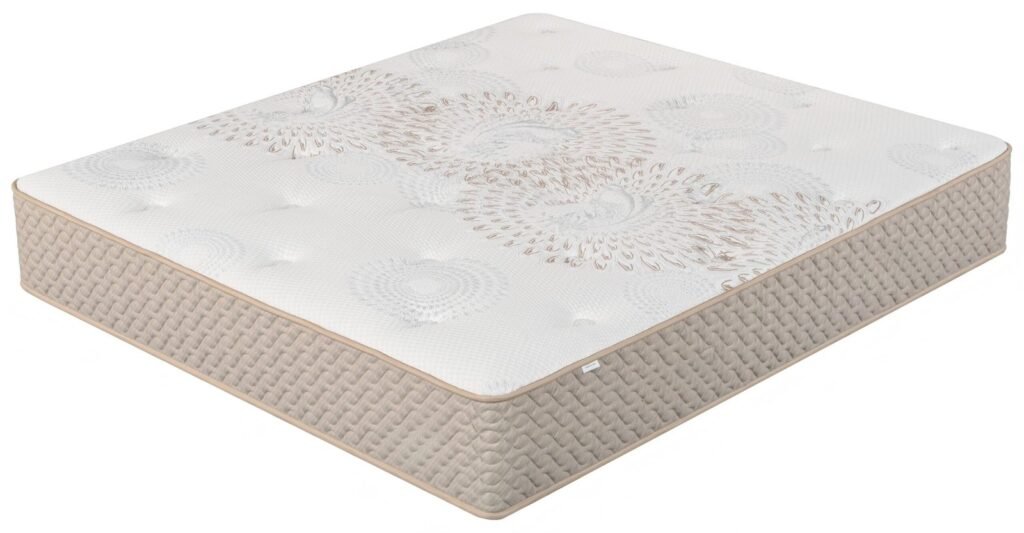
Key Takeaways
- Fiberglass in mattresses is generally a fire-barrier component, not a comfort layer, and its performance depends on the full mattress construction.
- CertiPUR-US applies to qualifying flexible polyurethane foam and does not automatically certify the entire mattress.
- OEKO-TEX and flammability claims must be tied to the specific material, product scope, or tested construction named in the documentation.
- Buyers should request barrier material identity, construction drawings, test reports, and finished-goods inspection criteria before production.
- Exact project data such as barrier weight or layer thickness requires specification, sample, or RFQ confirmation.
Fiberglass in a mattress is almost always a fire-barrier component, not a comfort material, and whether it belongs in your program depends on the fire strategy, the construction, the target market’s flammability rules, and the documentation you can obtain. Buyers should verify the barrier’s material identity, placement, encapsulation, and test evidence rather than accept a generic “fiberglass-free” or “fiberglass fire barrier” claim.
What actually drives fiberglass use and compliance questions
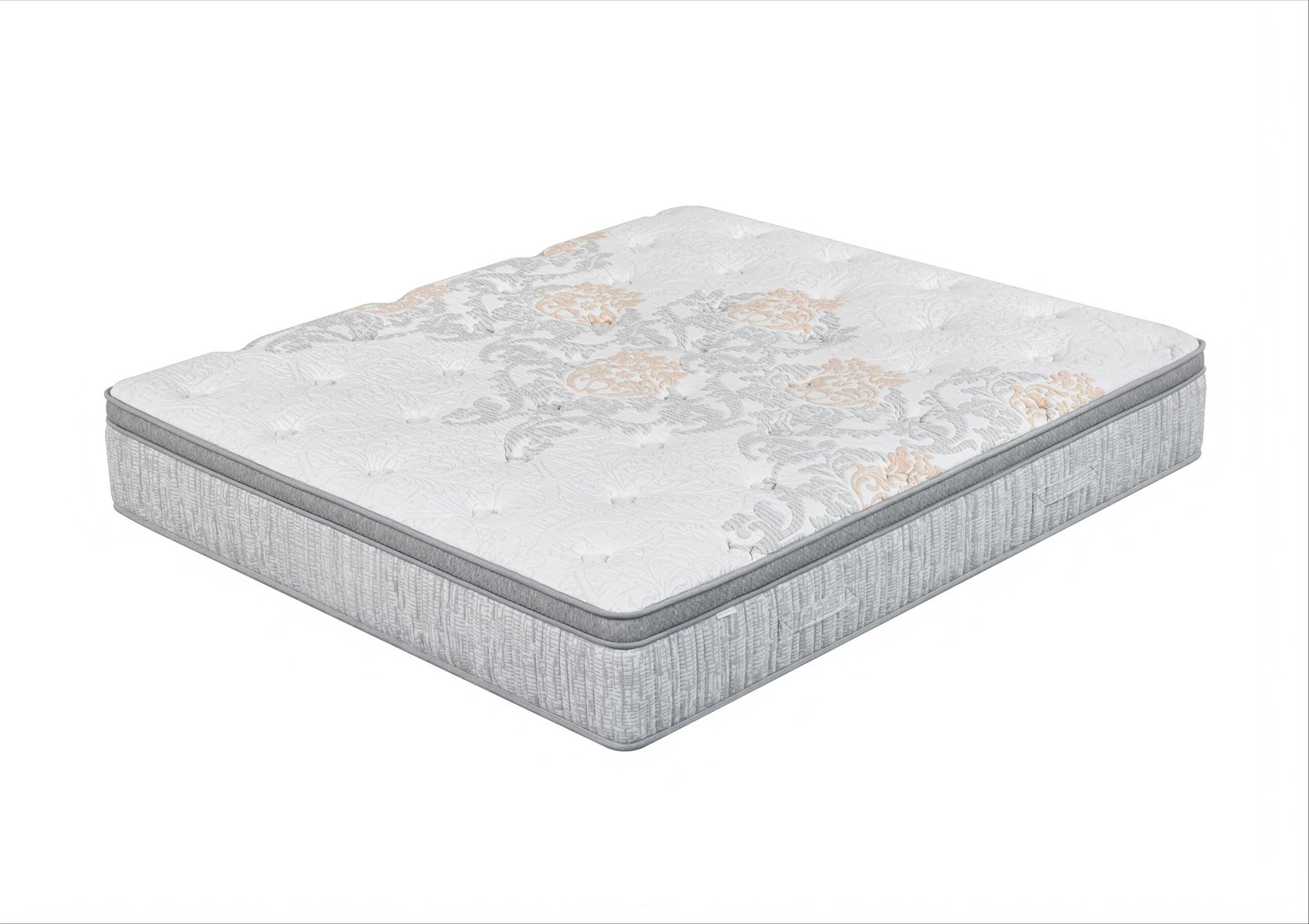
Fiberglass appears in some mattress fire-barrier systems because glass fiber can act as a thermal barrier between an ignition source and combustible foam or fabric. The decision is a system decision: the barrier works with the ticking, the foam chemistry, the quilting, and the sewing construction. That is why a fiberglass question is rarely answered by a single material label. It is answered by the fire-barrier specification, the mattress construction, and the evidence the supplier can provide for the exact build.
Compliance language also matters. A fire-barrier material is not the same as a certified mattress. CertiPUR-US, for example, applies to qualifying flexible polyurethane foam and does not automatically certify the entire mattress. OEKO-TEX claims must be tied to the specific material or product scope named in the certificate. Flammability performance must be supported by test reports for the actual construction, not by a material data sheet alone.
Construction, material, manufacturing and use factors
Where the barrier sits in the build
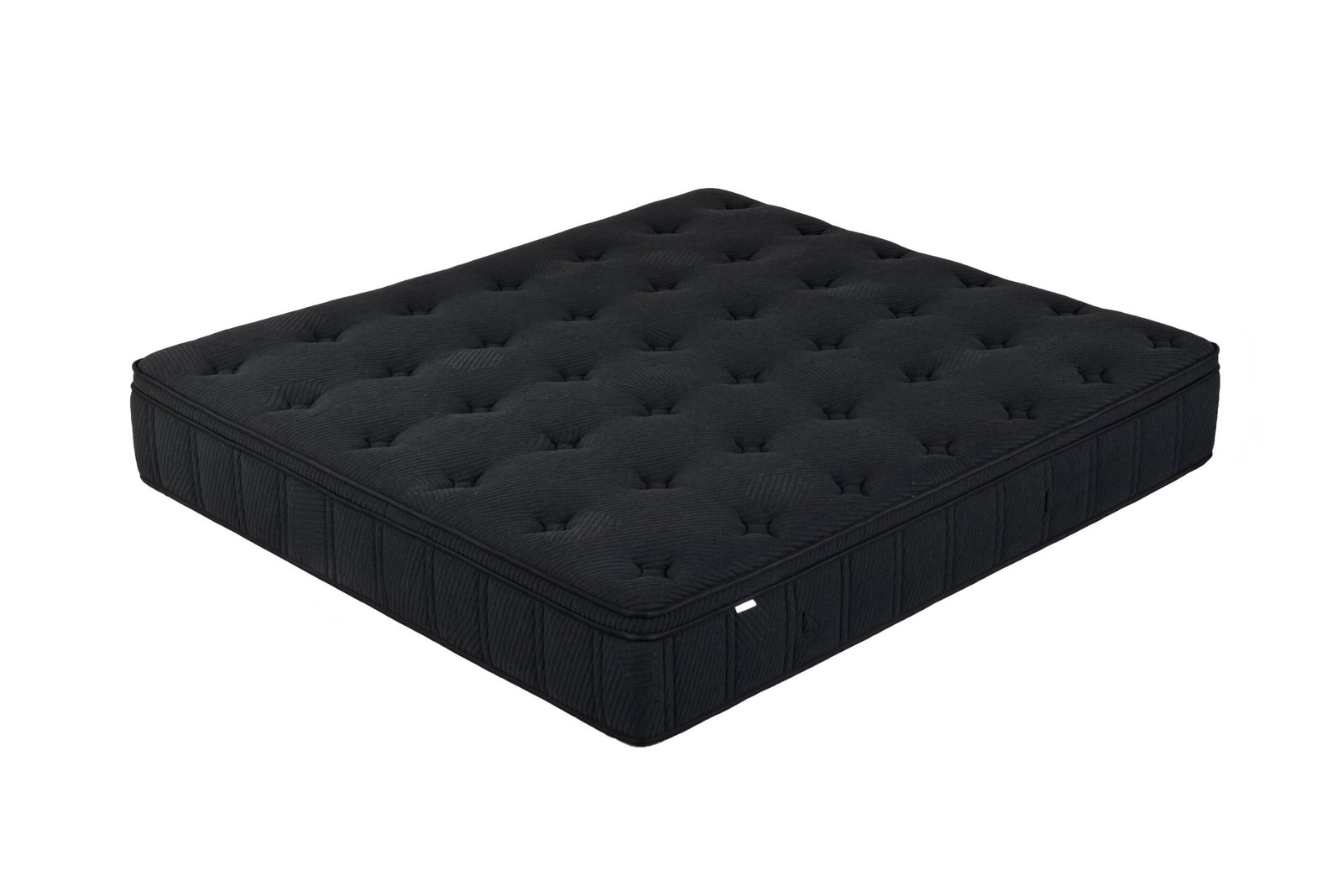
Fire barriers are typically positioned under the ticking or around the foam core, depending on the design. In a pocket spring mattress or hybrid mattress, the barrier may sit above the spring unit and below the comfort layers. In a memory foam mattress or foam-core roll pack mattress, the barrier may wrap or underlay the foam. Placement affects both fire performance and hand-feel, so the same barrier material can behave differently across product categories.
Material format and handling
Fiberglass can appear as a woven or nonwoven glass-fiber fabric, a mat, or a blend with other fibers. Each format has different draping, cutting, and sewing behavior. Glass-fiber fabrics can shed fibers during cutting and handling, which is a manufacturing hygiene issue as much as a product issue. Buyers comparing materials should ask how the barrier is cut, sealed, and enclosed so that loose fibers are not exposed in the finished mattress.
Encapsulation and finished-goods risk
The practical concern for retailers and e-commerce brands is fiber release from the finished product, especially if the ticking is removed or damaged. Encapsulation, barrier placement, and seam construction all influence this. A fire barrier that is fully enclosed within the mattress is a different risk profile from one that sits close to an accessible surface. This is a construction question, not a material-only question.
Interaction with foam and ticking
Fire performance depends on the whole assembly. Foam density and ILD, ticking fiber content, quilting thickness, and even the thread and seam pattern can change how a construction behaves in a flammability test. That is why a barrier approved in one build should not be assumed to perform the same way in a different mattress thickness, firmness target, or cover design. For foam specification context, the foam density and ILD guide is the relevant reference.
Market and application differences
Flammability requirements differ by market, and hotel, distributor, and e-commerce programs may carry additional buyer requirements. A barrier strategy that suits one application may not suit another. Buyers should define the destination market and the application before locking a fire-barrier specification, because the evidence package and the construction review both depend on that scope.
What buyers can inspect, test or request as documentation
Documentation is where fiberglass discussions become concrete. A supplier-side review should include the following, scoped to the exact mattress construction under consideration:
- Material identity: the barrier’s fiber content, format, and position in the bill of materials.
- Construction drawing or layer schedule: where the barrier sits relative to ticking, foam, and spring unit.
- Flammability test reports: reports that name the tested construction, not just the material.
- Foam certification scope: CertiPUR-US documentation for qualifying flexible polyurethane foam, with the foam identified.
- Textile certification scope: OEKO-TEX or similar claims tied to the specific material or product named in the certificate.
- Handling and hygiene procedure: how glass-fiber components are cut, contained, and inspected during manufacturing.
- Finished-product inspection criteria: what the factory checks for barrier placement, seam integrity, and fiber containment.
Where a buyer needs exact project data such as barrier weight, layer thickness, or test standard applicability, specification, sample, or RFQ confirmation is required. Those values should not be inferred from a general article or a sales sheet.
Limits of broad marketing claims and what requires project-specific evidence
Broad claims are common in this category and they rarely survive a documentation review. “Fiberglass-free” may be accurate for one component and misleading for the whole mattress if other components contain glass fiber. “Fire barrier” does not by itself establish that a finished mattress meets a given flammability requirement. “Certified foam” does not certify the mattress. “OEKO-TEX” without a scope statement does not tell the buyer which material or product is covered.
Durability, safety, and performance claims need the same discipline. Unsupported lifespan statements, percentage improvements, and absolute safety guarantees should be replaced with test evidence, construction details, and inspection criteria. If a claim cannot be tied to a document that names the tested or certified item, it belongs in the project-specific evidence request rather than in marketing copy.
Quality-control and sample-approval checklist
Use a sample-approval process to confirm the fire-barrier decision before production. A practical checklist:
- Confirm the barrier material, format, and position against the approved construction drawing.
- Review flammability test reports for the exact construction and destination market.
- Verify foam certification scope for the foams used, and textile certification scope for named materials.
- Inspect barrier encapsulation and seam integrity on the approved sample.
- Review cutting and handling controls for glass-fiber components in the factory.
- Agree finished-goods inspection criteria for barrier placement and fiber containment.
- Record the approved sample and specification as the production reference.
For teams comparing spring and foam systems alongside the barrier decision, the spring system selection guide and the mattress specification parameters reference help frame the construction review.
| Aspect | What to verify | Evidence needed |
|---|---|---|
| Barrier material | Fiber content, format, position in the build | Bill of materials and construction drawing |
| Flammability | Performance of the exact mattress construction | Test reports naming the tested build |
| Foam certification | Scope limited to qualifying flexible polyurethane foam | CertiPUR-US documentation for the identified foam |
| Textile certification | Material or product scope named in the certificate | Certificate with scope statement |
| Manufacturing hygiene | Cutting, containment, and inspection of glass-fiber components | Factory procedure and inspection records |
| Finished goods | Encapsulation, seam integrity, fiber containment | Approved sample and inspection criteria |
Next step: route the question into a specification review
Fiberglass in mattresses is best handled as a fire-barrier and construction decision with a documented evidence trail. Start with the mattress certifications guide to frame certification scope, use the materials reference to compare barrier and foam options, and bring the destination market and application into the discussion early. When the construction is defined, move to sample approval and an RFQ so the barrier, foam, ticking, and test evidence are confirmed for the exact build rather than assumed from a general claim.
Frequently Asked Questions
Is fiberglass in mattresses always a fire barrier?
In mattress construction, glass fiber is generally used as part of a fire-barrier system rather than as a comfort material. Its role and position depend on the design, so buyers should confirm the material identity and placement in the bill of materials rather than assume from a general label.
Does CertiPUR-US certify a mattress that contains fiberglass?
CertiPUR-US applies to qualifying flexible polyurethane foam, not automatically to the entire mattress. A mattress containing a fiberglass fire barrier may include certified foam, but the certification scope should be confirmed for the specific foam used.
What documents should buyers request for a fiberglass fire barrier?
Buyers should request the barrier's fiber content and format, a construction drawing showing its position, flammability test reports naming the tested construction, and finished-goods inspection criteria for encapsulation and fiber containment. Certification documents should state their material or product scope.
Can a fiberglass fire barrier be used in a roll pack mattress?
Fire-barrier design depends on the construction, including compression and packaging. Whether a specific barrier suits a roll pack mattress requires construction review and test evidence for that build, confirmed through specification and sample approval.
How do buyers verify fiberglass claims from a supplier?
Verify claims against documents that name the specific material or tested construction, such as bills of materials, test reports, and scoped certificates. Broad statements like fiberglass-free or fire-rated should be checked component by component, with project-specific evidence where exact data is needed.
Leave a Reply