
Mattress in a Box by Construction: Foam, Hybrid & Spring Compression
Key Takeaways
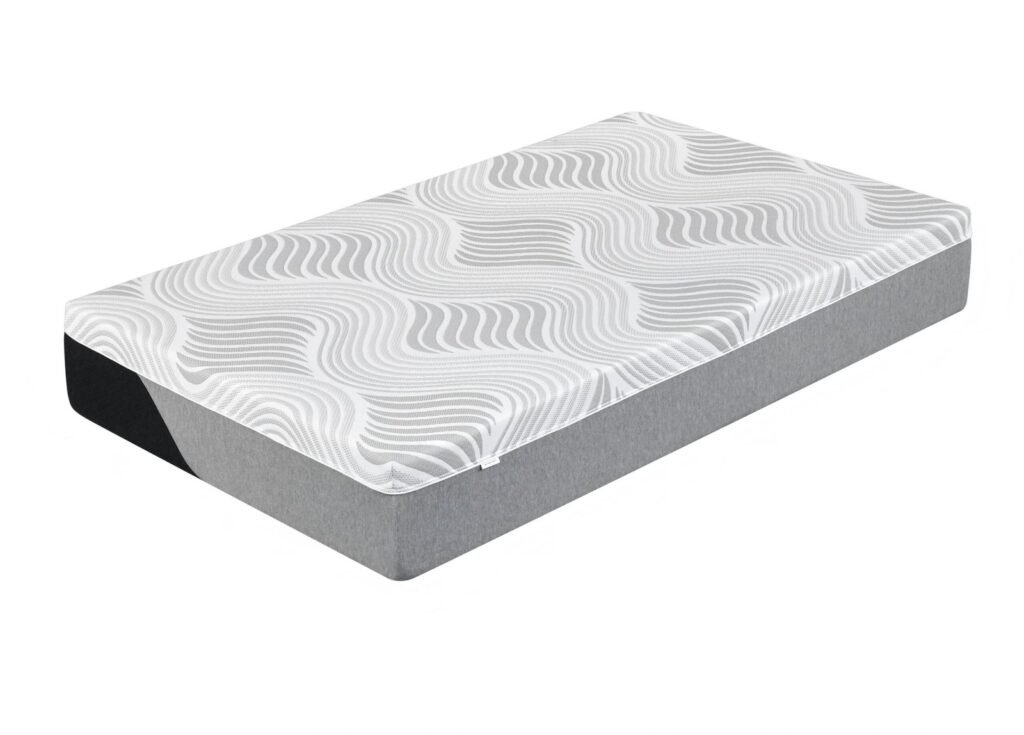
- Memory foam and flexible foam cores are generally the most compatible with roll-packing, while linked coil spring systems often require flat packing or project-specific validation.
- Hybrid mattresses can be roll-packed, but the pocket spring unit, edge support, and comfort layer thickness determine the feasible compression level.
- Recovery time, compression set, carton dimensions, and product weight are project-specific and must be confirmed through sample testing, not assumed from general rules.
- CertiPUR-US applies to qualifying flexible polyurethane foam, not automatically to the entire finished mattress or non-foam components.
- Container quantities and shipping savings cannot be calculated reliably until the final carton size and pallet pattern are confirmed after sampling.
Can every mattress be roll-packed and shipped in a box, or does construction decide what is possible? For product developers and B2B buyers, the answer is not a simple yes or no. Roll-pack and compression suitability depend on the core system, the foam layers, the edge support, the cover, and the handling requirements of the sales channel. This article explains how memory foam, hybrid, and spring constructions behave under compression, what buyers should specify before committing to a packaging format, and how to plan freight without relying on invented numbers.
Direct answer: which constructions can be roll-packed, and which cannot
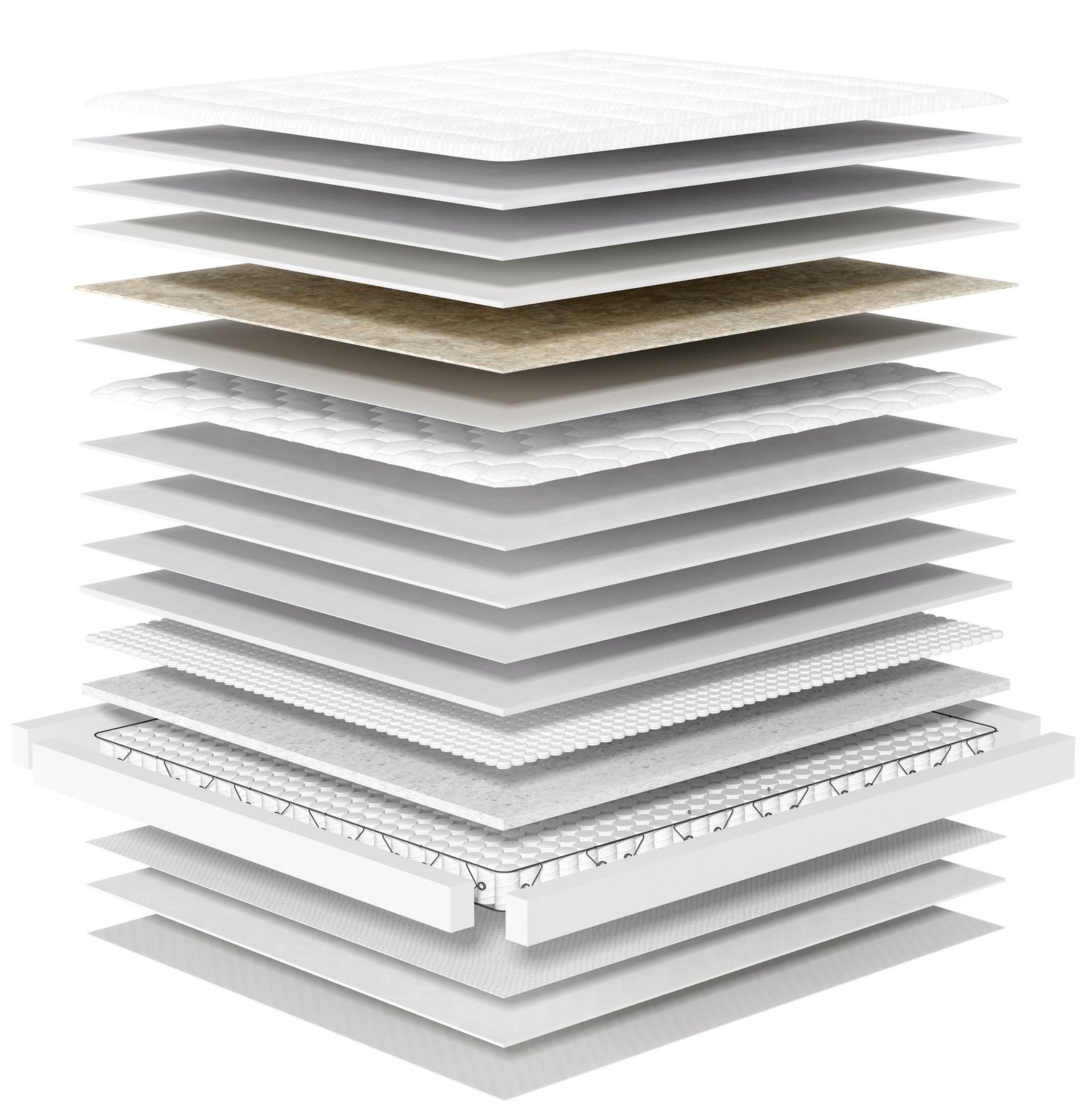
Memory foam and other flexible foam cores are generally the most compatible with roll-packing because the core itself compresses uniformly and recovers when unrolled. Hybrid mattresses that combine a pocket spring unit with foam layers can also be roll-packed, but the spring unit, edge support, and any rigid reinforcement determine how tightly the product can be compressed and how long it can remain compressed. Traditional Bonnell spring mattresses and other open-coil constructions are less suited to high-compression roll-packing; many are shipped flat or folded rather than rolled. Latex mattresses can be roll-packed in some constructions, but natural latex behavior under prolonged compression needs project-specific validation. The practical rule: the more rigid and spring-dominated the core, the more the packaging format must be confirmed through sampling and testing rather than assumed.
How construction changes compression and roll-pack suitability
Memory foam and foam-core construction
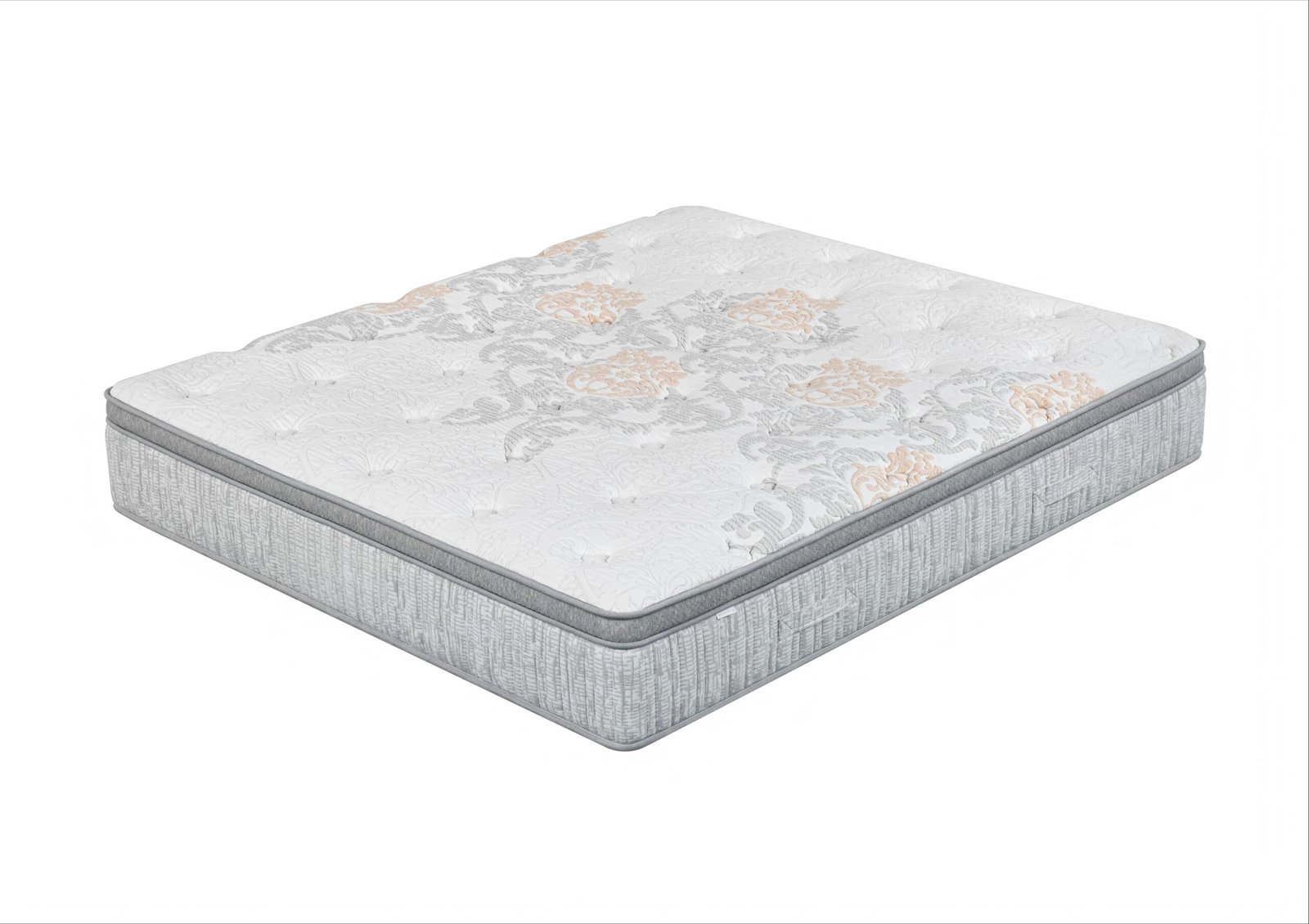
A memory foam mattress in a box typically uses a foam core with comfort layers on top. Because flexible polyurethane foam is compressible, the main variables are foam density, ILD, layer thickness, and the number of layers. Lower-density foams may compress more easily but can take a compression set if stored under load for long periods. Higher-density foams resist compression and may require more force to roll. The cover also matters: a stretch-knit cover follows the roll, while a quilted or laminated cover with thick fiber may crease or delaminate. Buyers should confirm foam density and ILD targets with the factory and validate recovery after the intended compression time. CertiPUR-US applies to qualifying flexible polyurethane foam, not automatically to the entire mattress, so certification scope should be checked per component.
Hybrid construction: pocket springs plus foam
A hybrid mattress in a box combines a pocket spring unit with foam or latex comfort layers. Pocket springs are individually wrapped, which allows the unit to flex and compress more evenly than a linked coil system. However, the spring unit still has a minimum compression limit, and the edge support — whether foam encasement or a reinforced perimeter — can restrict how tightly the mattress rolls. A hybrid with a firm edge and thick comfort layers may need a larger carton or a different fold pattern than a simple foam mattress. The spring count, wire gauge, and zoning are specification parameters that should be confirmed for the project; they are not universal constants.
Spring mattresses: Bonnell, continuous coil, and open coil
Spring mattress in a box options exist, but they are usually limited to constructions designed for compression. Bonnell and other linked coil systems resist uniform compression because the coils are connected; rolling can distort the unit or create permanent set. Some manufacturers offer folded or vacuum-compressed spring mattresses for specific channels, but the feasibility depends on the coil type, the number of coils, the gauge, and the edge system. For these constructions, flat packing or local assembly is often more practical than roll-packing. Buyers should treat spring mattress roll-packing as a project-specific engineering question, not a standard option.
Latex and specialty cores
Latex mattress cores can be roll-packed in certain thicknesses and blends, but natural latex may show slower recovery or surface marking after prolonged compression. Synthetic latex and blended latex behave differently. The cover, the presence of a fire barrier, and any stiff insert all affect rollability. Because latex specifications vary widely, buyers should request compression and recovery testing on the exact construction rather than relying on general statements.
Recovery, carton, and handling checks buyers should specify
Before approving a roll-pack program, buyers should define the checks that matter for their channel. These are not numbers to copy from a blog; they are parameters to confirm with the factory and the testing lab.
- Compression ratio and roll diameter: Specify the target roll diameter and the maximum compression the construction can tolerate without permanent deformation. This must be validated by sample testing.
- Recovery time and condition: Define how long the mattress may remain compressed, the storage temperature range, and the expected recovery window after unboxing. Recovery behavior should be measured on the actual construction.
- Carton dimensions and weight: Carton size and product weight are project-specific. They depend on the roll diameter, the length of the mattress, the cover, and the packaging materials. Do not assume a standard carton fits all sizes.
- Edge support and corner protection: Roll-packed mattresses can be vulnerable at the corners. Specify corner reinforcement or a carton design that protects the edges during transit and handling.
- Compression set and fatigue: For long ocean transit or extended warehousing, test whether the foam or spring unit takes a set. This is especially important for memory foam and hybrid constructions.
- Certification scope: Confirm which components carry which certifications. CertiPUR-US covers qualifying flexible polyurethane foam; it does not automatically certify the finished mattress or non-foam components.
- Unboxing instructions: Provide clear care and unboxing guidance for the end customer. The Mattress Care Unboxing page covers this in more detail.
Flat pack vs roll pack trade-offs for different sales channels
The choice between flat pack and roll pack is a channel decision as much as an engineering decision. E-commerce and direct-to-consumer brands often prefer roll-packed mattresses because they are easier to handle in a parcel network and can be stored in smaller warehouses. Retailers with showroom floors may prefer flat-packed or pre-expanded mattresses so customers can feel the finished product immediately. Hotel and project buyers often need flat or folded mattresses that can be installed quickly by housekeeping teams, and they may prioritize durability and edge support over carton size. Distributors may need a mix: roll-packed for online orders and flat-packed for local delivery or contract projects. Each channel has different requirements for carton labeling, pallet configuration, and returns handling. The Roll Pack Mattress category page shows constructions designed for this format, while the OEM & Custom page covers private-label packaging options.
Information needed for freight and packaging planning
Freight planning for roll-packed mattresses requires accurate project data. Without it, container quantities, shipping savings, and transit times cannot be calculated reliably. Buyers should prepare the following information before requesting a quote:
- Mattress size and thickness for each SKU, confirmed against the Mattress Size Guide and Mattress Thickness Guide.
- Construction details: core type, foam density and ILD targets, spring unit type, spring count and gauge if applicable, and edge support system.
- Cover material and any fire barrier or certification requirements.
- Target roll diameter, carton dimensions, and carton weight — to be confirmed by sample.
- Compression duration and storage conditions from factory to final destination.
- Pallet pattern, stacking limits, and container loading preferences.
- Labeling, barcode, and retail packaging requirements.
- Destination market regulations and any testing documentation required.
Container quantities and shipping savings depend on the final carton size and pallet pattern, which are confirmed only after sampling. Any estimate before that is provisional.
| Construction | Roll-pack suitability | Key variables to confirm | Typical channel fit |
|---|---|---|---|
| Memory foam / foam core | Generally compatible | Foam density, ILD, layer thickness, cover type, compression duration | E-commerce, DTC, retail |
| Hybrid (pocket spring + foam) | Often compatible with validation | Spring unit type, edge support, comfort layer thickness, roll diameter | E-commerce, retail, hospitality |
| Bonnell / linked coil spring | Limited; project-specific | Coil type, gauge, edge system, fold vs roll feasibility | Flat pack, local assembly, contract |
| Latex / specialty core | Possible with testing | Latex blend, thickness, cover, recovery behavior | Specialty retail, e-commerce |
Next step: link to Roll Pack products, OEM packaging, and Manufacturing pages
If you are planning a roll-pack program, start with the Roll Pack Mattress category to review constructions designed for compression. For private-label packaging, carton design, and branding, the OEM & Custom page outlines the customization process. The Manufacturing page explains how compression and roll-packing are handled on the production line. To compare core systems and material options, the Materials section and the Technical Database provide reference information. When you are ready to move from research to specification, the Contact/RFQ page is the place to submit your project details for review.
Roll-pack feasibility is a construction and packaging decision that should be confirmed with samples and project-specific testing. Share your target construction, size, and channel requirements, and the team can review the specification and recommend a packaging format for your next program.
Frequently Asked Questions
Can a spring mattress be rolled and shipped in a box?
Some spring mattresses can be roll-packed, but it depends on the coil system. Pocket spring units are more flexible and can often be compressed, while Bonnell and other linked coil systems resist uniform compression and may distort. Feasibility should be confirmed with a sample and recovery test for the exact construction.
What is the difference between a memory foam mattress in a box and a hybrid mattress in a box?
A memory foam mattress in a box typically uses a flexible foam core with comfort layers, which compresses uniformly. A hybrid mattress in a box combines a pocket spring unit with foam or latex layers, so the spring unit and edge support add compression limits. Both can be roll-packed, but the hybrid usually requires more careful validation of roll diameter and recovery.
How long can a roll-packed mattress stay compressed?
There is no universal safe duration. It depends on the foam density, ILD, spring unit, cover, storage temperature, and compression level. Buyers should specify the maximum compression duration for their supply chain and ask the factory to test recovery on the actual construction after that period.
What information do I need before requesting a freight quote for roll-packed mattresses?
You need the confirmed mattress size and thickness, construction details including core type and foam or spring specifications, cover material, target roll diameter, carton dimensions and weight, compression duration, pallet pattern, and destination market requirements. Container quantities and shipping savings can only be calculated after these are confirmed by sample.
Does CertiPUR-US certify the whole mattress in a box?
No. CertiPUR-US applies to qualifying flexible polyurethane foam, not automatically to the entire mattress or to non-foam components such as springs, latex, covers, or fire barriers. Buyers should confirm certification scope per component and request documentation for each material used.
Leave a Reply