
What Is a Memory Foam Mattress? Foam Structure and Density
Key Takeaways
- A memory foam mattress is defined by viscoelastic polyurethane foam in its comfort layers, not by a single density or firmness value.
- Foam density, IFD/ILD, recovery behavior, and layer thickness are separate properties and should each be confirmed on the specification sheet.
- Memory foam can be used in all-foam builds or hybrids with a spring support core, so the full construction should be stated in sourcing documents.
- CertiPUR-US applies to qualifying flexible polyurethane foam, not automatically to the entire finished mattress.
- Exact density, IFD, thickness, and test results are project-specific and must be confirmed through specification review, sampling, or RFQ.
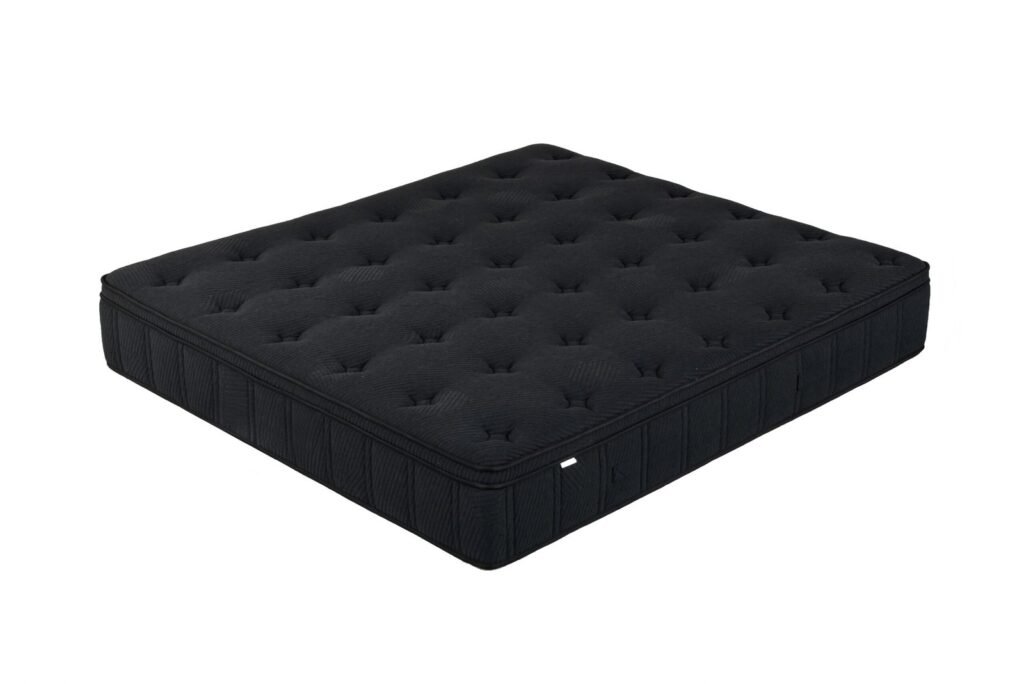
A memory foam mattress is a mattress whose primary comfort and support layers are built from viscoelastic polyurethane foam — a flexible foam engineered to soften with body heat and recover slowly when pressure is removed. For B2B buyers, the term describes a construction family, not a single specification: two mattresses both marketed as memory foam can differ in foam type, density, layer architecture, and the presence or absence of a spring core.
Direct Answer: What the Term Actually Means
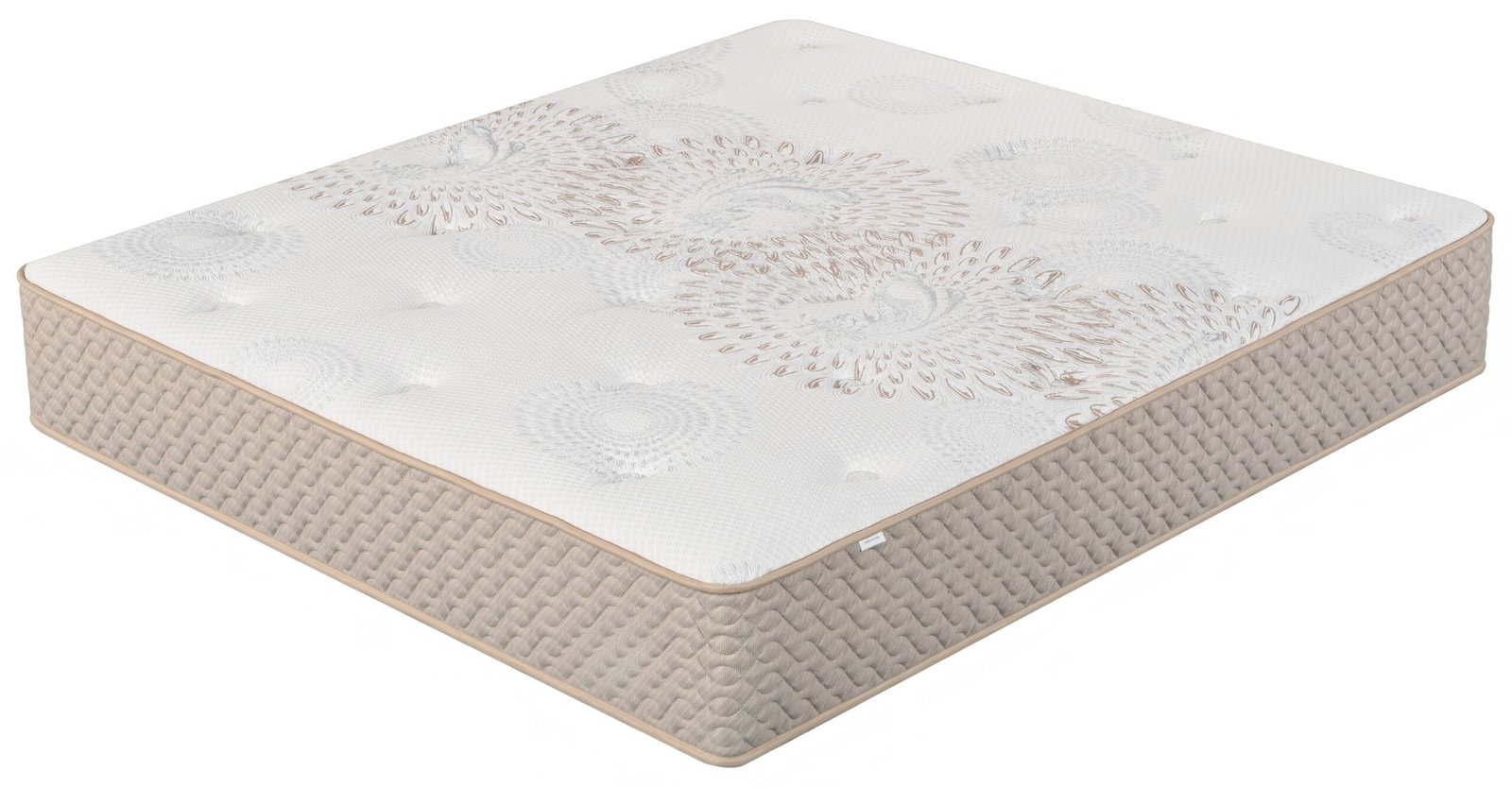
Viscoelastic foam is produced by introducing specific polyol and isocyanate chemistry plus additives that give the foam its slow-recovery, temperature-sensitive behavior. Press a hand into it and the surface conforms, then returns gradually rather than springing back instantly. That slow recovery is the defining physical trait buyers should test in a sample, because it separates genuine viscoelastic foam from conventional high-resilience or standard polyurethane foam that may be blended into the same mattress.
The word “mattress” in the phrase is broader than the foam. A memory foam mattress may be an all-foam build with no springs at all, or a hybrid that pairs a foam comfort system with a spring support core. Both are legitimately described as memory foam mattresses in trade usage, so sourcing documents should always state the full construction rather than relying on the marketing label alone.
Where Memory Foam Sits in a Mattress and What It Does
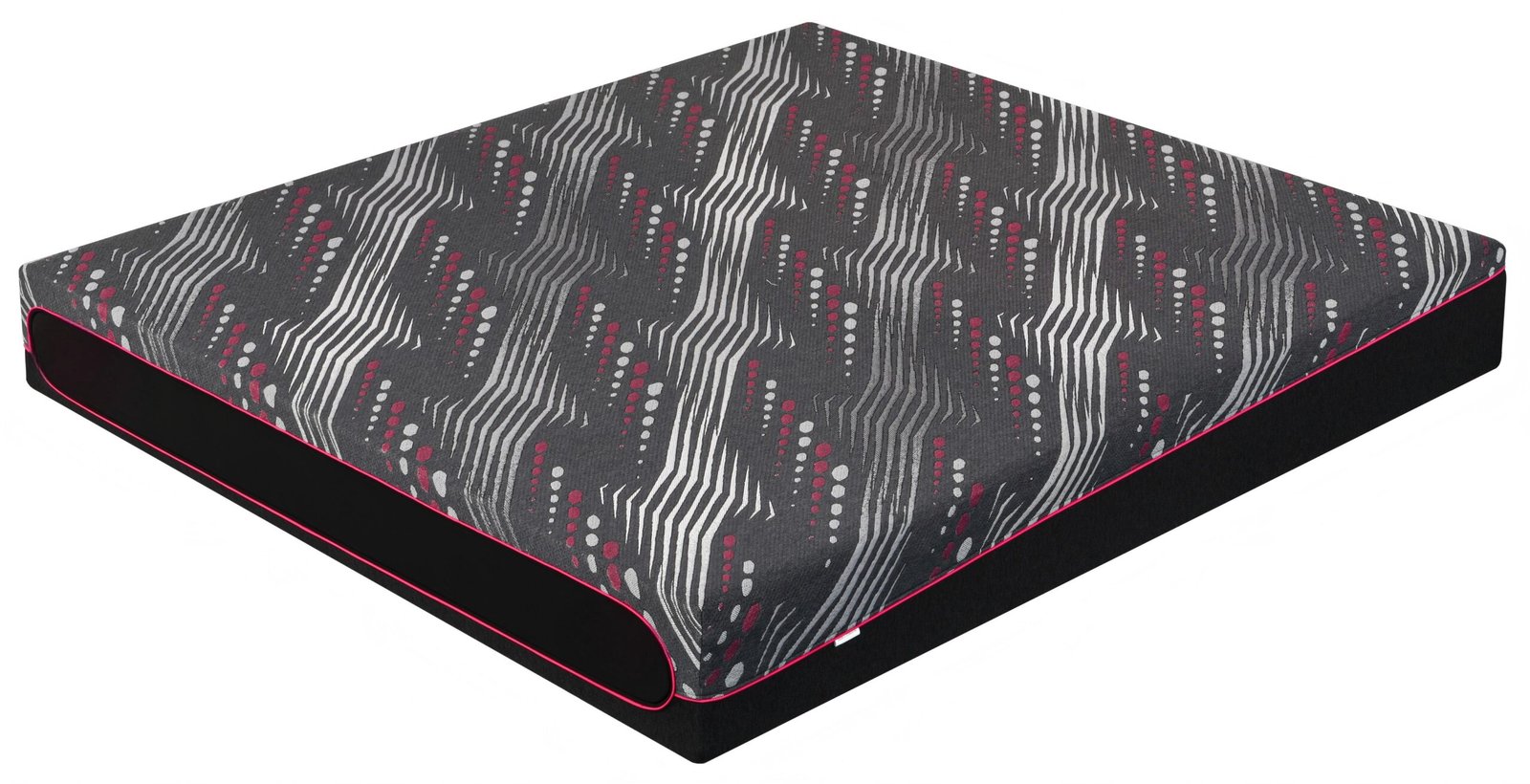
In a typical build, memory foam appears in the comfort layers above the support core. Its job is to distribute load across a wider contact area and reduce localized pressure points, which is why it is common in mattresses positioned for side sleepers or for buyers who want a contouring feel. It is rarely the only foam present. A support layer of higher-density polyurethane foam, a transition layer, or a spring unit underneath carries the structural load.
Functionally, buyers should think of memory foam as a comfort and pressure-management component, not a support component. A thick memory foam layer over a weak or thin support core will still feel soft, but the mattress as a whole may not hold its shape under load. This is why construction review matters more than the headline foam claim.
Properties Buyers Should Compare — Without Treating Marketing Claims as Specifications
Several measurable properties drive how a memory foam construction behaves. None of them should be accepted from a brochure alone; they should be confirmed on the specification sheet and, where relevant, on a test report.
- Density. Foam density is expressed as weight per unit volume. Higher density generally indicates more material in the same volume, which is often associated with better load-bearing and durability, but density alone does not define feel or firmness. Exact density values must come from the supplier’s specification, not from a generic claim.
- IFD / ILD. Indentation Force Deflection (also called Indentation Load Deflection) describes how much force is needed to compress the foam a set amount. It is a firmness-related measurement, not a comfort guarantee. Buyers comparing two foams should compare IFD at the same test conditions.
- Recovery behavior. Viscoelastic foams differ in how quickly they return to shape. This affects the “slow sink” feel and how the mattress behaves when a sleeper changes position. Recovery rate is a formulation property and should be verified on a sample.
- Thickness of the foam layer. A thin memory foam layer produces a different feel than a thick one, even at the same density and IFD. Layer thickness is a construction decision and must be stated in the bill of materials.
- Airflow and heat retention. Traditional viscoelastic foam can feel warm because it conforms closely to the body. Open-cell formulations, gel additives, and perforation or channel designs are used to influence airflow. Buyers should ask what specific mechanism is used rather than accepting a general “cooling” claim.
Marketing language such as “premium memory foam” or “cooling gel memory foam” is not a specification. Ask for the foam grade, density, IFD, and any relevant test documentation before comparing quotes.
Construction Combinations and Best-Fit Product Programs
Memory foam is rarely sold as a standalone material decision. It is one part of a construction system, and the right combination depends on the product program.
All-foam memory foam construction
An all-foam build uses memory foam in the comfort layer and denser polyurethane foam in the support core, with no spring unit. This suits compressed roll-pack programs, mattress-in-a-box retail, and guest or occasional-use products where a flat, uniform feel and efficient shipping are priorities. Buyers planning this route should review roll-pack and packaging considerations alongside foam selection.
Hybrid memory foam construction
A hybrid pairs a memory foam comfort layer with a spring support core, often a pocket spring unit. This combination is common in mid-to-upper retail programs and hospitality projects where buyers want contouring comfort plus a more responsive support feel. Spring selection, count, gauge, and zoning are separate specification decisions that should be confirmed independently.
Memory foam as a comfort layer over other cores
Some programs use a thin memory foam layer over a latex or high-resilience foam core to adjust surface feel without making the whole mattress a slow-recovery product. This is a useful way to offer a contouring option within a broader foam range.
Product line planning should map each construction to a price tier, a target channel, and a packaging method. A memory foam program that works for e-commerce may not be the right fit for a hotel replacement cycle, and vice versa.
Quality, Documentation, and Compliance Checks
Because memory foam is a formulated material, documentation is the buyer’s main protection. At minimum, request:
- A foam specification sheet listing foam type, density, IFD, and layer thickness for each foam component.
- Certification documents with clear scope. CertiPUR-US applies to qualifying flexible polyurethane foam, not automatically to the entire finished mattress. Other certifications have their own scope rules, and coverage should be confirmed for the specific foam grade and finished product.
- Flammability and regulatory documentation relevant to the destination market, confirmed per project rather than assumed.
- Sample approval records, including the approved feel and recovery behavior, so production can be checked against a physical reference.
Buyers should also confirm how the foam is handled in manufacturing — cutting, lamination, and assembly can affect the final feel. If a program requires specific performance data, that data must be confirmed through specification review, sampling, or RFQ response rather than inferred from a category description.
Key Facts: Memory Foam Mattress at a Glance
| Aspect | What It Means | Buyer Action |
|---|---|---|
| Core definition | Viscoelastic polyurethane foam that softens with heat and recovers slowly | Confirm foam type on the specification sheet |
| Typical position | Comfort layer above the support core | Review full layer stack, not just the top foam |
| Key measurable properties | Density, IFD/ILD, recovery behavior, layer thickness, airflow design | Request values per foam grade; do not rely on marketing terms |
| Common constructions | All-foam, hybrid with spring core, foam-over-foam combinations | Match construction to channel, packaging, and price tier |
| Documentation | Spec sheets, certification scope, flammability documents, sample records | Verify scope per foam grade and finished product |
| Specification gaps | Exact density, IFD, thickness, and test results are project-specific | Confirm through sample and RFQ before committing |
Next Step: Connect the Material Decision to Your Program
Memory foam is one material choice inside a larger construction and sourcing decision. Buyers comparing options should start with the Mattress Guide and the Technical Database to align terminology, then review the Memory Foam Mattress category page for construction examples. Foam density and IFD definitions are covered in the Foam Density and ILD guide, and spring-based alternatives are explained in the Spring System Selection guide. Certification scope questions are addressed in the Mattress Certifications guide.
From there, the path depends on the program: OEM and Custom for private-label development, Applications for hotel, distributor, and e-commerce supply contexts, and Manufacturing for process and assembly questions. When the construction is defined, submit the specification for review, request a sample for feel and recovery approval, and confirm production details through an RFQ.
Frequently Asked Questions
Is a memory foam mattress always an all-foam mattress?
No. In trade usage, a memory foam mattress can be an all-foam build or a hybrid that pairs memory foam comfort layers with a spring support core. The label describes the comfort material family, not the absence of springs. Buyers should confirm the full layer stack and support system on the specification sheet.
Does higher foam density always mean a firmer mattress?
No. Density describes how much material is in a given volume, while firmness is more closely related to IFD/ILD and layer thickness. A higher-density foam can still be formulated to feel soft. Buyers should compare density and IFD together rather than treating either as a complete description of feel.
What does IFD or ILD mean on a memory foam specification?
IFD (Indentation Force Deflection), also called ILD, measures the force required to compress foam by a set amount under defined test conditions. It is a firmness-related measurement used to compare foam grades. Values are only comparable when measured under the same test conditions, so buyers should confirm the test method.
Does CertiPUR-US certify the whole memory foam mattress?
No. CertiPUR-US applies to qualifying flexible polyurethane foam, not automatically to the entire finished mattress. Other components, adhesives, fabrics, and the finished product may fall under different certification or regulatory requirements. Buyers should confirm certification scope for each foam grade and for the finished product.
How should buyers evaluate a memory foam sample before placing an order?
A sample should be assessed for recovery speed, contouring feel, and how the foam behaves under sustained load, alongside the specification sheet values for density, IFD, and thickness. Sample approval records should be retained so production can be checked against a physical reference. Exact performance requirements should be confirmed through specification review or RFQ.
Leave a Reply