
Foam vs Spring Mattress: Construction, Support and Buyer Trade-Offs
Key Takeaways
- A foam mattress uses a foam block as its load-bearing support core, while a spring mattress uses a metal coil unit as the support core with foam or fiber layers above it.
- Memory foam is a comfort material, not a support architecture, so a memory foam mattress can be either all-foam or a hybrid with a coil unit underneath.
- Foam density indicates durability for foam layers, while ILD describes how a foam layer responds to compression; neither is the same as finished mattress firmness.
- Coil type, coil count, wire gauge and zoning together determine spring unit behavior, so coil count alone is not a reliable quality indicator.
- CertiPUR-US applies to qualifying flexible polyurethane foam, not automatically to the entire finished mattress, so certification scope must be confirmed per component.
You are building or buying a mattress line and you need to decide whether the core should be foam or a spring unit. The short answer: a foam mattress uses a foam core (polyurethane foam, memory foam, latex, or a combination) as the load-bearing structure, while a spring mattress uses a metal coil unit as the load-bearing structure, with foam and fiber layers added above it for comfort. Everything else — feel, packing method, cost structure, durability profile and target channel — follows from that single decision.
What “Foam” and “Spring” Actually Mean in Mattress Construction
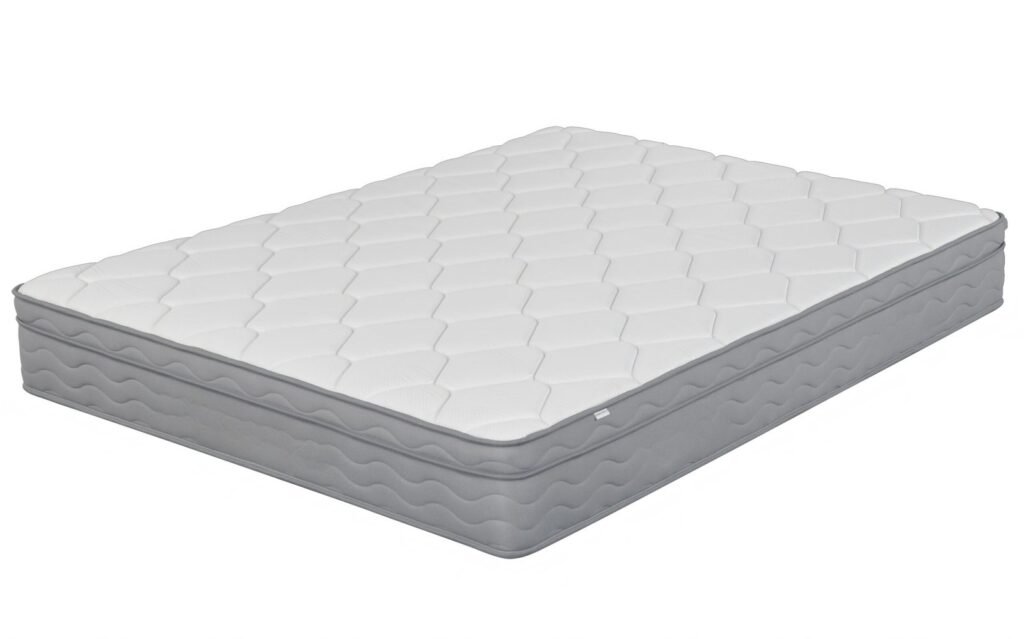
In a foam mattress, the support layer is a block of foam. That block may be a single density, a bonded foam core, a high-resilience (HR) foam, memory foam, or latex. The foam carries the load and the comfort layers sit on top of it. There is no metal unit inside.
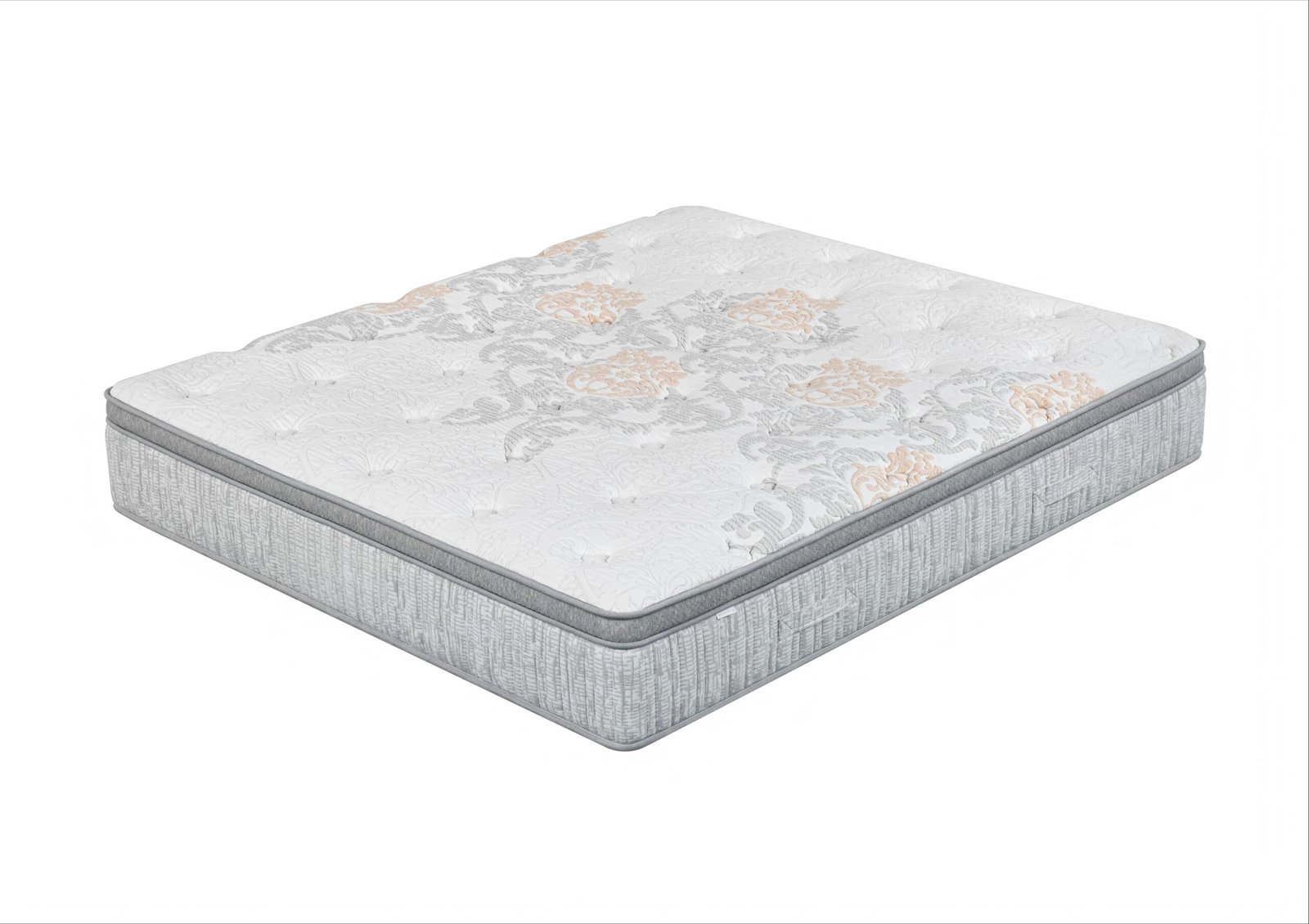
In a spring mattress, the support layer is a coil unit. Common constructions include Bonnell (an hourglass-shaped coil tied together with helical wire), continuous coil, and pocket spring (individually pocketed coils that move more independently). Above the coil unit sits one or more layers of foam, fiber, or latex that create the surface feel.
When buyers say “foam vs coil mattress,” they are comparing these two support architectures. When they say “memory foam vs spring mattress,” they are usually comparing a specific foam type against a coil-based build — which is not quite a fair comparison, because memory foam is a comfort material that can also sit on top of a coil unit in a hybrid. That distinction matters for product positioning.
Where Each System Sits and What Function It Performs
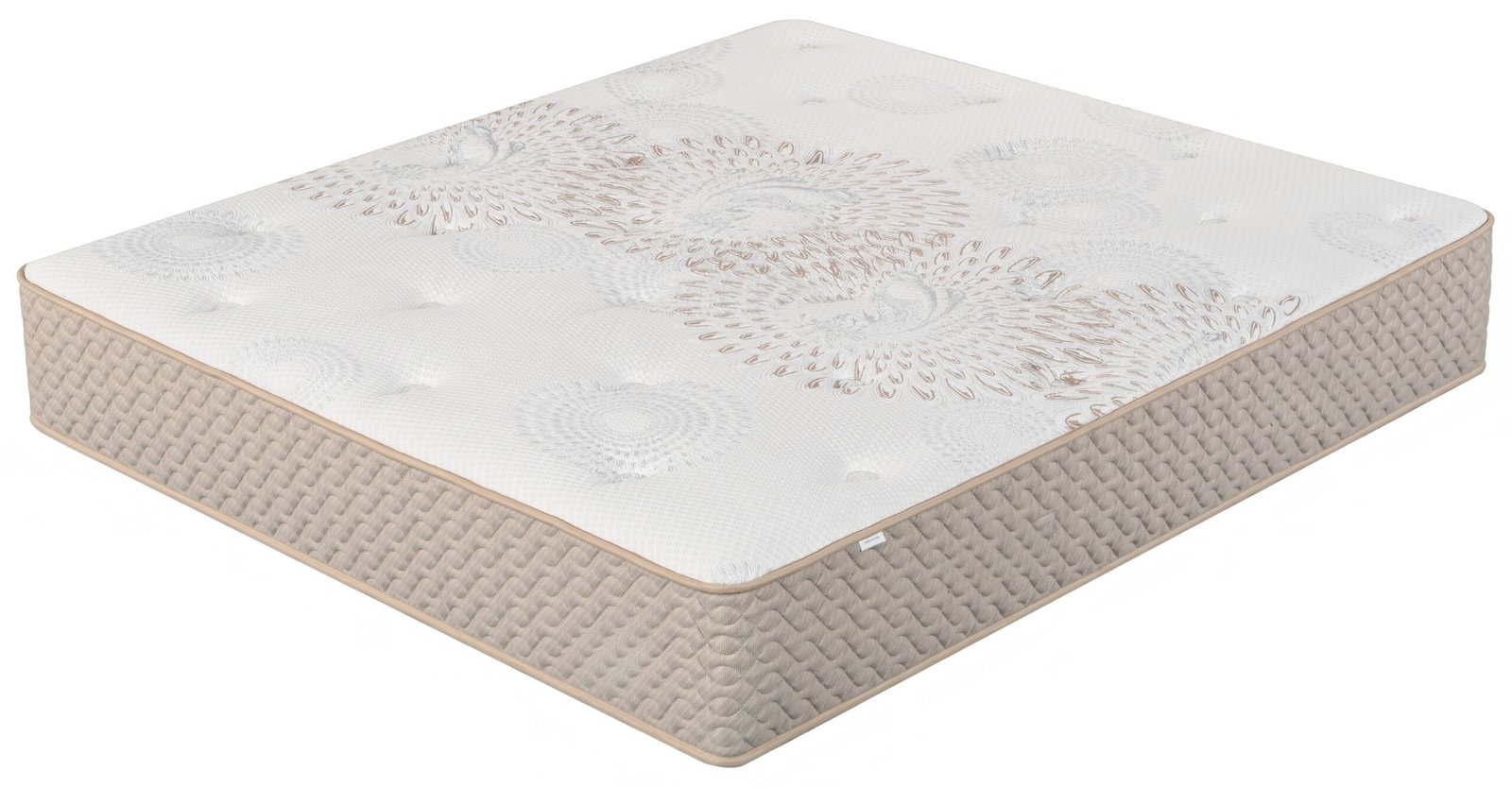
In both architectures, the mattress is layered. The support core sits at the bottom and does the structural work. The transition layer manages how much of the core’s feel reaches the surface. The comfort layer controls initial softness and pressure distribution. The cover and any quilting finish the surface.
In a foam build, the support core is foam. In a spring build, the support core is the coil unit, and foam or fiber is used above it. This is why a spring mattress can still contain a significant amount of foam — the coil unit replaces the support foam, not the comfort foam.
A hybrid is the middle path: a coil support unit with a substantial foam comfort layer above it. Hybrids are common in hotel and retail programs because they combine the airflow and bounce of coils with the surface feel of foam.
If you are mapping these terms to your own line plan, the Mattress Guide covers how support, transition and comfort layers are specified and how they interact.
Properties Buyers Should Compare — Without Treating Marketing Claims as Specifications
Marketing language around foam and springs is loose. “Orthopedic,” “cooling,” “zero-gravity” and “hotel-grade” are positioning words, not measurable specifications. For sourcing decisions, compare the following instead, and confirm each one in writing on the specification sheet.
Foam core properties
- Foam type — conventional polyurethane, HR foam, memory foam, gel-infused foam, or latex. Each has a different cost and feel profile.
- Density — the mass of foam per unit volume. Density is a durability indicator for foam, not a firmness indicator. Confirm the density of each foam layer separately.
- ILD / firmness — the indentation load deflection of a foam layer. ILD describes how a foam responds to compression; it is not the same as the finished mattress firmness.
- Layer thickness — the thickness of each foam layer affects how much the layer contributes to the overall feel.
Spring unit properties
- Coil type — Bonnell, continuous, offset, or pocket spring. Coil type drives motion transfer and edge behavior more than coil count alone.
- Coil count — the number of coils in the unit. More coils is not automatically better; it depends on coil diameter, wire gauge and unit height.
- Wire gauge — the thickness of the coil wire. Gauge interacts with coil height and heat treatment to determine how the unit behaves under load.
- Zoning — whether the unit has different firmness zones across the length of the mattress. Zoning is a design choice, not a quality guarantee.
For a deeper treatment of how these parameters are specified, see the Mattress Guide sections on foam density and ILD and on pocket spring count, gauge and zoning.
System-level trade-offs
Foam cores generally allow thinner finished mattresses, simpler layer stacks, and easier roll-packing. Coil units generally provide more airflow through the core, more bounce, and a different edge-support profile. Neither is universally superior; the right choice depends on your target channel, price band, packing method and the feel you are trying to deliver.
Motion transfer, edge support, airflow and durability are all system outcomes. They depend on the combination of core, layers, cover and quilting — not on the core alone. A well-built foam mattress can outperform a poorly built spring mattress on durability, and the reverse is also true.
Construction Combinations and Best-Fit Product Programs
Most commercial mattress lines are built from a small number of repeatable combinations. The table below maps common combinations to typical program types. It is a planning aid, not a specification — exact layer data must be confirmed per project.
| Construction | Support core | Typical program fit | Packing consideration |
|---|---|---|---|
| All-foam | Foam block | Value and mid-tier retail, e-commerce, guest and kids programs | Often roll-packable; confirm compression limits with the factory |
| Memory foam over foam | Foam block | E-commerce and private-label comfort-led lines | Roll-packable; recovery time depends on foam type and density |
| Bonnell spring with foam top | Bonnell coil unit | Value retail, contract and volume programs | Usually flat-packed or vacuum-compressed; confirm with supplier |
| Pocket spring with foam top | Pocket spring unit | Mid to premium retail, hotel and project programs | Flat-pack or roll-pack depending on unit height and foam layers |
| Hybrid (pocket spring plus substantial foam) | Pocket spring unit | Premium retail, hotel, e-commerce upgrade tiers | Roll-pack possible on some builds; confirm before committing |
| Latex over foam or springs | Foam or coil unit | Premium and natural-positioning programs | Heavier build; packing method depends on latex thickness |
For product-line planning across price tiers, the Mattress Guide article on product line planning covers how to sequence these combinations without overlapping specifications.
If your program needs a specific combination — for example, a pocket spring unit with a defined foam stack for a hotel contract — that is an OEM conversation. The OEM and custom page explains how custom builds are scoped, and the Applications pages describe how hotel, distributor and e-commerce programs differ in their requirements.
Quality, Documentation and Compliance Checks
Before you approve a foam or spring construction, confirm the following with your supplier in writing:
- Layer-by-layer specification sheet — foam type, density and thickness for each foam layer; coil type, count, gauge and unit height for spring units.
- Certification scope — CertiPUR-US applies to qualifying flexible polyurethane foam, not automatically to the entire finished mattress. If a supplier claims the mattress is “CertiPUR-US certified,” ask which foam components are covered. Other certifications have their own scope rules; confirm coverage per component and per project.
- Flammability and regulatory documentation — requirements vary by destination market. Confirm which standard applies and what test documentation the factory can provide for your specific build.
- Sample approval — a physical sample or pre-production unit is the only reliable way to confirm feel, layer interaction and packing behavior. Specifications on paper do not capture how a finished mattress feels.
- Packaging and recovery — if the mattress will be roll-packed or vacuum-compressed, confirm the compression method, the maximum compression time, and the expected recovery behavior with the factory. Do not assume recovery performance without test data for your specific build.
The Mattress Guide article on certifications explains how to read certification claims correctly and what to ask for. The Technical Database is the place to check parameter definitions before you write them into a purchase order.
Next Step: Match the Construction to the Program, Then Confirm the Specification
Foam and spring are not competing ideologies; they are two support architectures with different cost, packing and feel profiles. The right choice depends on your channel, price band, target feel and logistics. Once you have shortlisted a construction, the next step is to confirm the exact layer specification, request a sample, and validate it against your program requirements.
Start with the Mattress Guide to align terminology, review the relevant product category to see how each construction is positioned, and then send your specification to the RFQ team for confirmation. If your program requires a custom build, the OEM and custom page outlines the process from specification review through sample approval.
Frequently Asked Questions
Is a foam mattress or a spring mattress better for a hotel program?
Neither is automatically better. Hotel programs often use pocket spring or hybrid constructions because coil units provide airflow and a familiar bounce, but all-foam builds are also used in contract and guest-room programs. The right choice depends on the target feel, expected service life, packing method and budget. Confirm the exact construction with your supplier against the project specification.
Does a spring mattress contain foam?
Yes. In a spring mattress, the coil unit replaces the support foam, but foam and fiber layers are still used above the coils for transition and comfort. The amount and type of foam above the coil unit strongly affects the finished feel. Ask for a layer-by-layer specification to see exactly what is inside.
Is memory foam vs spring mattress a fair comparison?
Not strictly. Memory foam is a comfort material, while a spring unit is a support architecture. A mattress can have both — a pocket spring core with a memory foam comfort layer, which is a hybrid. When comparing, separate the support core decision from the comfort layer decision so you are comparing like with like.
Which construction is easier to roll-pack for e-commerce shipping?
All-foam constructions are generally easier to roll-pack because they compress uniformly. Some spring and hybrid builds can also be roll-packed, but this depends on coil unit height, foam layers and the compression method. Confirm roll-pack feasibility and recovery behavior with the factory for your specific build before committing to a packaging format.
What should I check on a specification sheet before approving a foam or spring mattress?
Check foam type, density and thickness for each foam layer, and coil type, count, gauge and unit height for spring units. Confirm certification scope per component, flammability documentation for the destination market, and the packing method. A physical sample or pre-production unit should be approved before mass production.
Leave a Reply