
What Is a Coil Mattress? Innerspring Construction Explained
Key Takeaways
- A coil mattress, also called an innerspring mattress, is built around a metal spring unit that carries vertical load and returns to shape after compression.
- Bonnell, pocket, and continuous coil units behave differently and suit different product programs, so the spring type should be confirmed in writing.
- Coil count is only comparable when the mattress size and unit dimensions are stated; a count without size is not a specification.
- CertiPUR-US applies to qualifying flexible polyurethane foam, not automatically to the entire mattress, so certification scope must be confirmed per component.
- Roll-pack suitability depends on the specific coil and upholstery combination and must be confirmed with the factory before a program is approved.
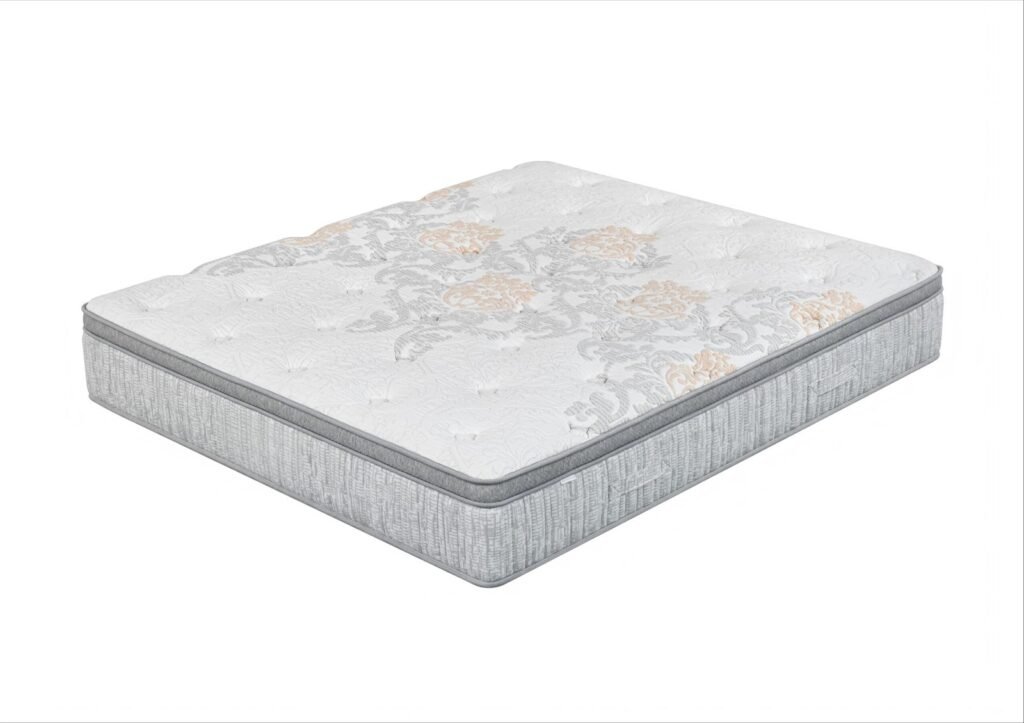
A sourcing manager opens a supplier sample box and finds two mattresses that look identical from the outside. One carries a pocket spring unit; the other uses a Bonnell spring core. Both are described as “coil mattresses” on the spec sheet. The difference matters, because the coil system drives support feel, edge behavior, roll-pack suitability, and how the finished mattress should be positioned in a product line.
This article explains what a coil mattress is, how innerspring construction works, and how B2B buyers should compare coil systems without treating marketing language as engineering data. It is written for product developers, importers, distributors, and private-label teams who need to ask better questions before a specification or RFQ is confirmed.
Direct answer: what a coil mattress and an innerspring mattress actually mean
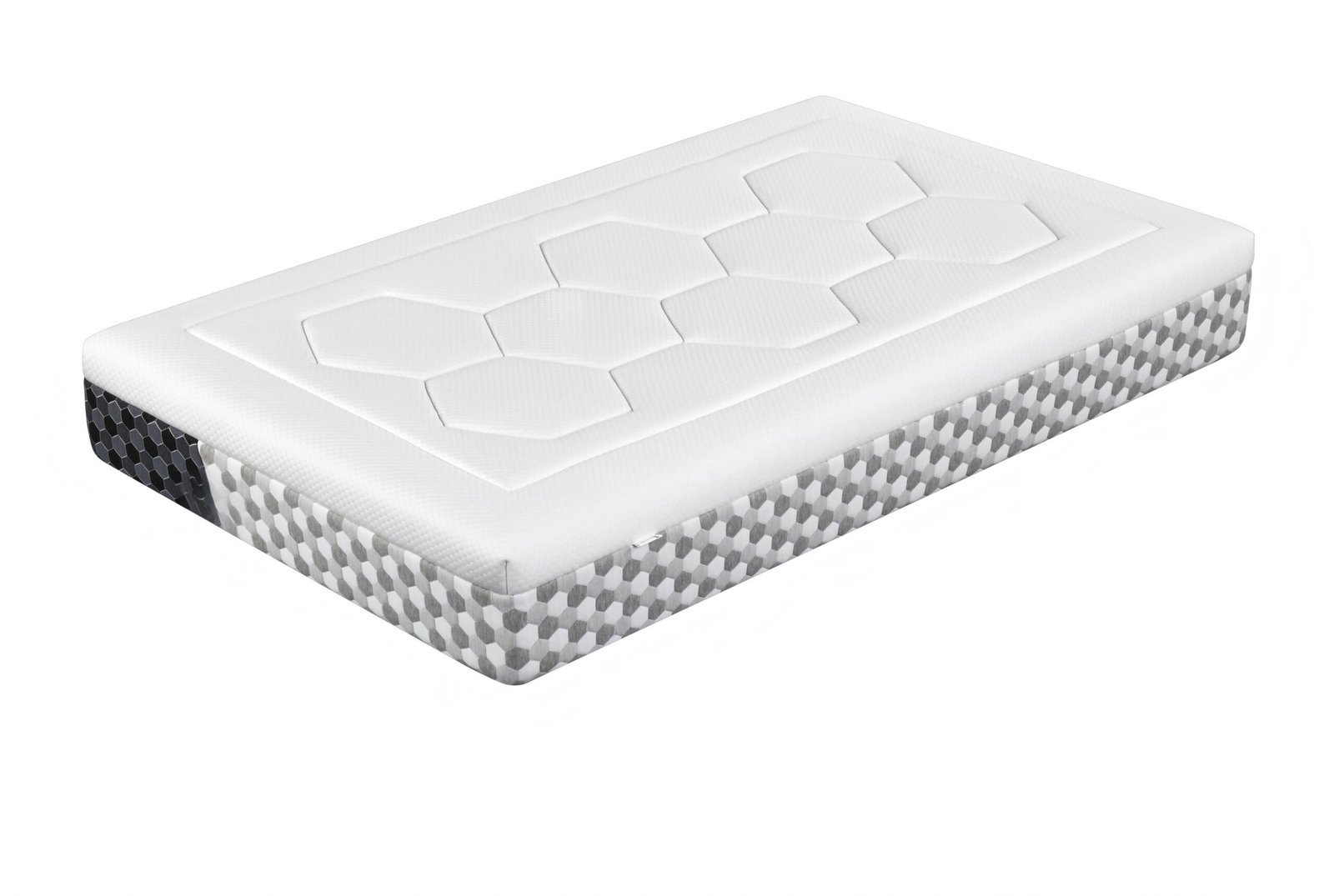
A coil mattress is a mattress built around a core of metal springs, also called coils. The terms “coil mattress” and “innerspring mattress” are often used interchangeably in retail and wholesale conversation. In practice, both describe a mattress whose primary support element is a spring unit rather than a full foam or latex core.
The coil unit is not the whole mattress. It sits inside a construction that usually includes upholstery layers, a cover, and sometimes a foam-encased perimeter. The coil system provides the load-bearing structure; the layers above and below it shape surface feel, pressure distribution, and how the mattress performs in packaging and transport.
For buyers, the useful distinction is not “coil versus no coil.” It is which coil architecture, wire specification, and assembly method the factory is proposing for a given program. Those details belong in a specification sheet, not in a headline claim.
Where the coil unit sits and what function it performs
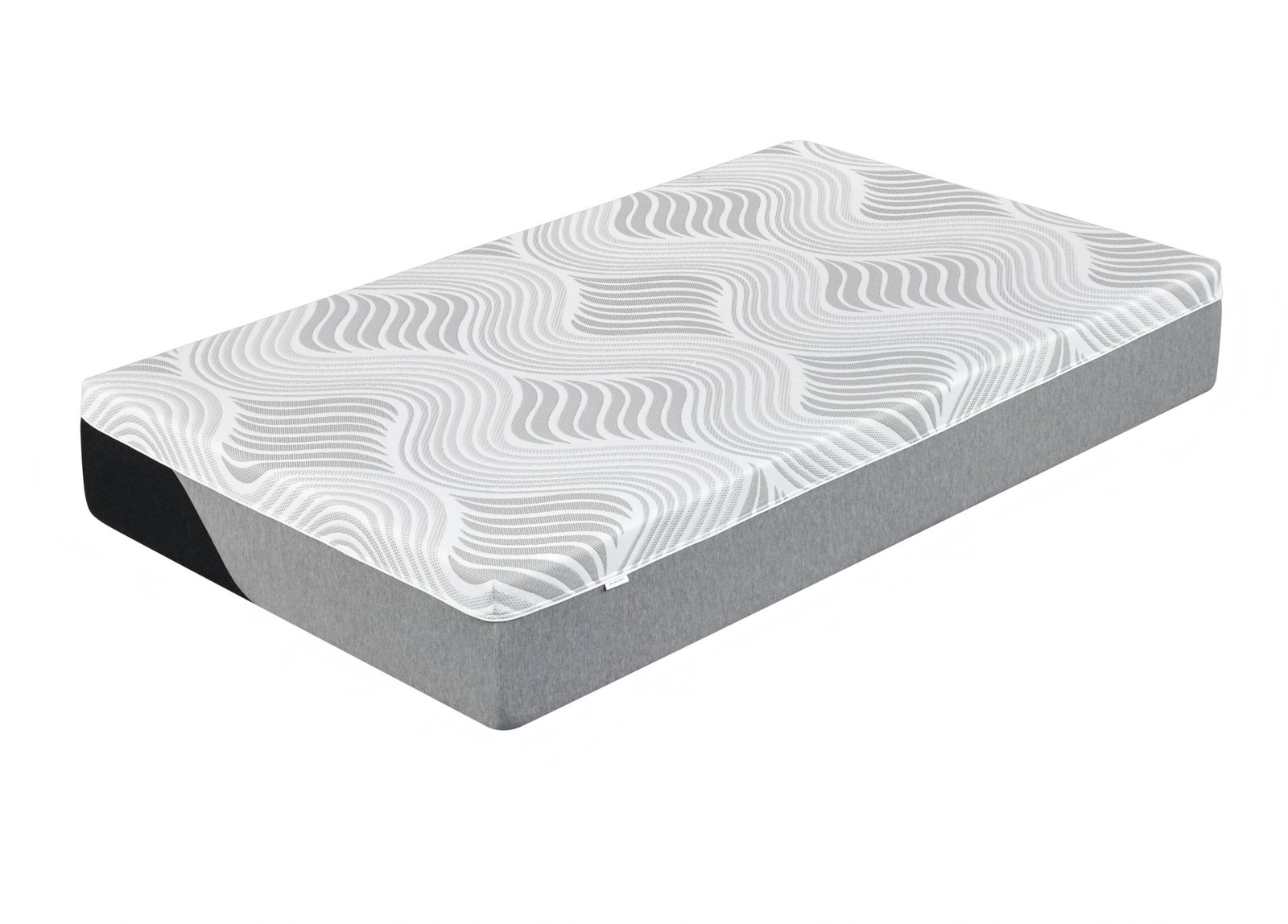
In a typical innerspring mattress, the coil unit occupies the central support layer. Above it, one or more upholstery layers sit between the springs and the sleeping surface. Below it, a base layer or insulator helps distribute load and protect the unit. The cover closes the assembly.
The coil unit’s job is to carry vertical load and return to shape after compression. How it does that depends on the spring type:
- Bonnell springs are connected coils, often used in value and hospitality programs where a firm, stable core is required.
- Pocket springs are individually pocketed coils that can move more independently, which affects how the surface responds to concentrated load.
- Continuous coils are formed from a single wire run, producing a connected unit with a different feel and manufacturing profile.
Each type has a place. A Bonnell core may suit a high-turnover hotel mattress or an entry-level retail SKU. A pocket spring core may suit a hybrid or premium program where independent coil movement is part of the intended feel. The right choice depends on the target market, the packaging method, and the specification the buyer is willing to confirm.
Properties buyers should compare without treating marketing claims as specifications
Coil mattress marketing often leans on numbers: coil count, gauge, zoning, and firmness. These can be meaningful, but only when they are tied to a documented specification. A buyer should treat any unsupported number as a question, not a fact.
Useful comparison points include:
- Spring type and unit construction. Bonnell, pocket, or continuous coil changes how the core behaves and how it can be packed.
- Coil count relative to mattress size. A count is only comparable when the size and unit dimensions are stated. A count without size is not a specification.
- Wire gauge. Gauge affects spring response and durability, but it must be confirmed by the factory for the specific unit.
- Zoning. Zoned units vary support across the mattress length. Whether zoning is useful depends on the target user and the rest of the construction.
- Edge support. Perimeter reinforcement can come from a foam encasement, a reinforced coil row, or other methods. The method should be named, not implied.
- Upholstery layers. Foam density, ILD, and layer thickness shape surface feel. These are separate from the coil unit and should be specified separately.
If a supplier cannot provide a written specification for these items, the buyer is comparing claims rather than constructions. For a deeper look at how these parameters are documented, the Mattress Specification Parameters guide is the right reference point.
Construction combinations and best-fit product programs
Coil mattresses are rarely sold as a bare spring unit. The coil core is combined with foams, fibers, latex, or gel layers to create a finished product. The combination determines which program the mattress fits.
Common combinations and their typical program fits:
- Bonnell core with standard foam upholstery. Often used for value retail, guest rooms, and contract programs where a stable, straightforward construction is preferred.
- Pocket spring core with memory foam or gel foam. Common in hybrid and premium retail lines where independent coil movement and a conforming surface are both part of the story.
- Pocket spring core with latex or high-resilience foam. Suited to programs that emphasize resilience and a more responsive surface feel.
- Coil core with a pillow top or euro top. Adds a distinct surface layer above the core. The top construction is a separate specification decision from the coil unit.
- Coil core in a roll-pack format. Requires a coil unit and upholstery combination that can be compressed and recovered. Not every coil construction is suitable for roll packing, so this must be confirmed with the factory.
Product line planning often starts with the coil system because it anchors the support story. From there, the buyer decides on upholstery, cover, thickness, and packaging. The Mattress Product Line Planning guide covers how these decisions fit together across a range.
Quality, documentation, and compliance checks
Coil mattresses are assembled products, so quality checks should cover both the spring unit and the finished mattress. A practical buyer checklist includes:
- Spring unit specification. Confirm spring type, unit dimensions, coil count for the stated size, and wire gauge in writing.
- Upholstery specification. Confirm foam density, ILD, and layer thickness for each foam layer. These are separate from the coil unit.
- Assembly and bonding. Ask how layers are bonded and whether the unit is foam-encased or edge-reinforced.
- Packaging compatibility. If the mattress will be roll-packed or boxed, confirm that the construction has been tested for that format.
- Certification scope. CertiPUR-US applies to qualifying flexible polyurethane foam, not automatically to the entire mattress. If a program requires certification, confirm which components are covered and request the relevant documentation.
- Labeling and claims. Any flammability, fiber, or performance claim should be supported by project-specific evidence, not by a general statement.
Compliance requirements vary by market and by buyer. The Mattress Certifications guide explains how certification scope is typically documented, and the Technical Database is the place to check parameter-level references before a specification is finalized.
Next step: move from definition to specification
Understanding what a coil mattress is helps a buyer ask better questions, but it does not replace a specification. The next step is to define the spring type, the upholstery layers, the cover, the thickness, the packaging format, and the compliance documents required for the target market.
For coil-based programs, the Pocket Spring Mattress and Bonnell Spring Mattress category pages show how these constructions are positioned. The Hybrid Mattress category covers coil-plus-foam combinations, and the Roll Pack Mattress category covers formats designed for compressed shipping. Buyers comparing spring architectures can start with the Spring System Selection guide, and those comparing foam layers can use the Foam Density ILD guide.
When the program is ready, the Contact/RFQ page is the place to submit the specification for review. Samples, exact dimensions, and compliance documents are confirmed at that stage, not from a general article.
| Aspect | What it covers | Buyer action |
|---|---|---|
| Coil system | Bonnell, pocket, or continuous coil unit | Confirm spring type and unit dimensions in writing |
| Coil count and gauge | Number of coils and wire specification | Request count for the stated size and gauge from the factory |
| Upholstery layers | Foam, latex, gel, or fiber layers above the core | Confirm density, ILD, and thickness per layer |
| Edge support | Perimeter reinforcement method | Ask whether it is foam-encased or coil-reinforced |
| Packaging | Flat, roll-packed, or boxed format | Confirm construction suitability for the chosen format |
| Compliance | Certification and labeling scope | Request project-specific documentation |
Coil mattresses remain a broad category, and that breadth is exactly why specification discipline matters. Two mattresses can share the same category label and still differ in spring unit, upholstery, edge construction, and packaging. Buyers who separate the coil core from the rest of the build make cleaner comparisons and fewer assumptions.
If you are developing a coil-based program, submit the target specification for review. The factory can then confirm the spring unit, upholstery, packaging, and documentation that apply to your project.
Frequently Asked Questions
Is a coil mattress the same as an innerspring mattress?
In common B2B and retail usage, yes. Both terms describe a mattress whose primary support element is a metal spring unit. The more useful distinction is which type of coil unit is used, such as Bonnell, pocket, or continuous coil, because that affects feel, edge behavior, and packaging suitability.
What is the difference between a Bonnell spring and a pocket spring in a coil mattress?
Bonnell springs are connected coils, often used in value and hospitality programs where a stable core is preferred. Pocket springs are individually pocketed, so they can move more independently. The right choice depends on the target market, the intended feel, and the packaging format, and should be confirmed in the specification.
Does a higher coil count always mean a better coil mattress?
Not necessarily. Coil count is only meaningful when it is tied to a stated mattress size and unit dimensions. A count without size is not a specification. Buyers should also compare spring type, wire gauge, upholstery layers, and edge support rather than relying on coil count alone.
Can a coil mattress be roll-packed or shipped in a box?
Some coil constructions can be compressed and roll-packed, but not all. Suitability depends on the specific spring unit and upholstery combination. Buyers should confirm roll-pack compatibility with the factory and request relevant testing or documentation before approving that packaging format.
What documentation should a buyer request for a coil mattress program?
Request the spring unit specification, including spring type, unit dimensions, coil count for the stated size, and wire gauge. Also request upholstery specifications such as foam density, ILD, and layer thickness, plus any certification documents that apply to the specific components in the build.
Leave a Reply